


The Narrative of Seasons
Nature shifts every five days — quietly, almost imperceptibly. Long before the modern calendar, Japan divided its year into seventy-two micro-seasons: the morning a plum bud first opens, or the day the first snow settles.
MOK Arts curates through this exact sensibility. We look beyond the grand sweep of spring or autumn, focusing instead on the small, specific turn — the kind of beauty you notice only when you pause. Each work we carry holds one of these fleeting moments still.
The seventy-two turnings of the year
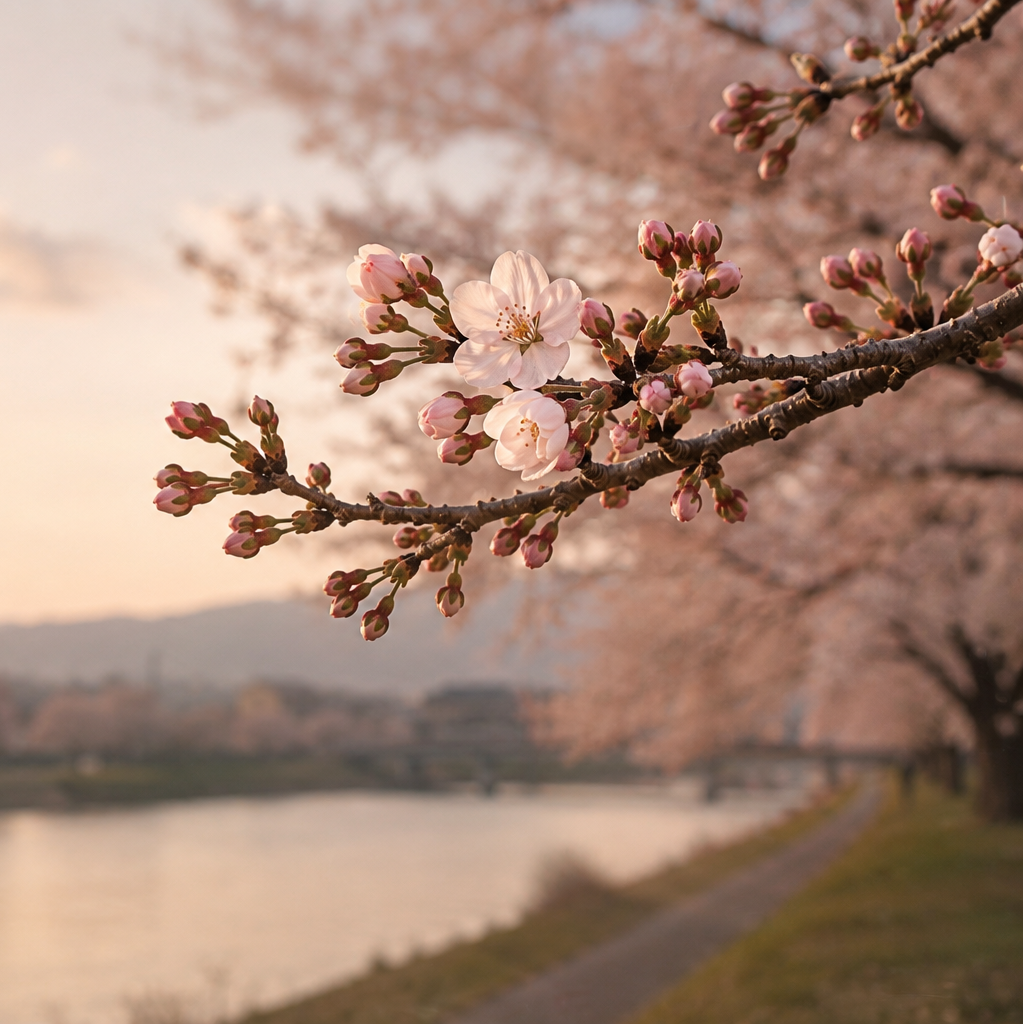
The Awakening of Life and Renewal
Spring in Japan is a poetic journey of rebirth, beginning when the frozen earth subtly stirs under the gentle eastern winds. As the season unfolds, dormant creatures naturally awaken from their winter slumber, cued by the rolling thunder of early spring, while fresh green shoots line the roadsides.
This period bridges the delicate transition from the sacred, evil-warding peach blossoms of the Doll's Festival (Hinamatsuri) to the breathtaking full bloom of cherry blossoms (Sakura). Under these fleeting pink canopies, the time-honored tradition of Hanami brings people together to celebrate transience and beauty. The season's vitality is further animated by the return of swallows, nesting in homes as harbingers of good fortune, and the vibrant growth of resilient reeds and fresh rice paddies, marking the busy commencement of the traditional agricultural cycle.

This micro-season marks the very first breath of spring, when warm
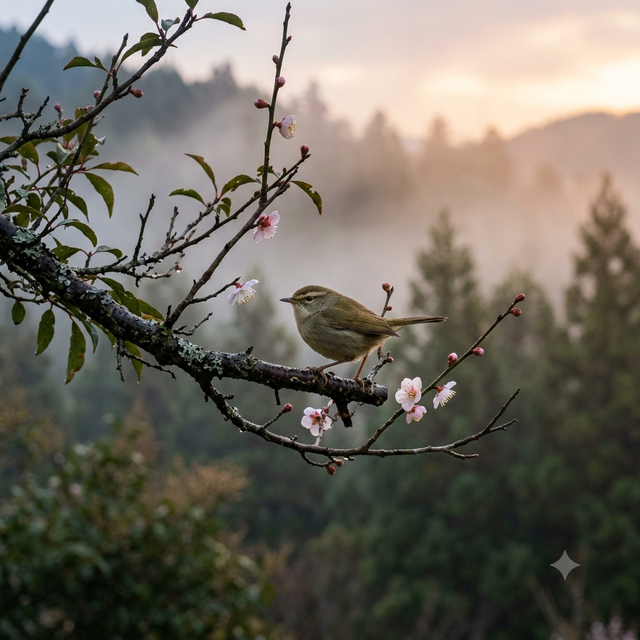
This is the moment when the Japanese bush warbler (uguisu) sings its

As the winter ice cracks and breaks apart, fish rise to the surface for
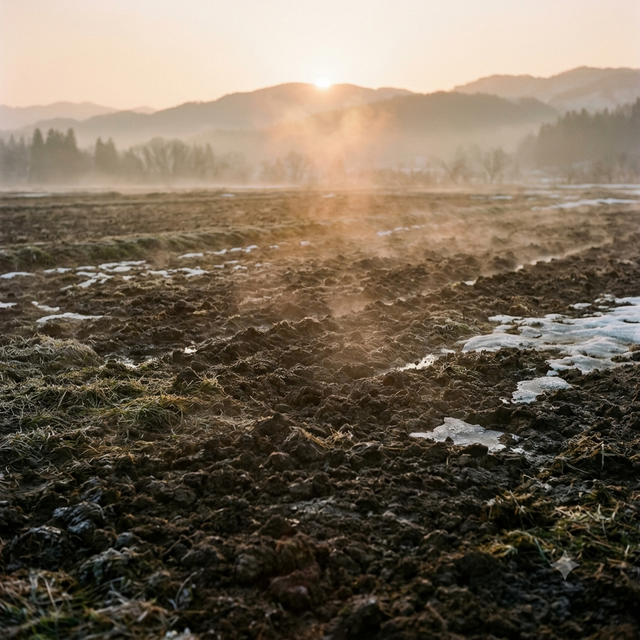
Winter snow begins to melt, seeping into the earth and awakening the
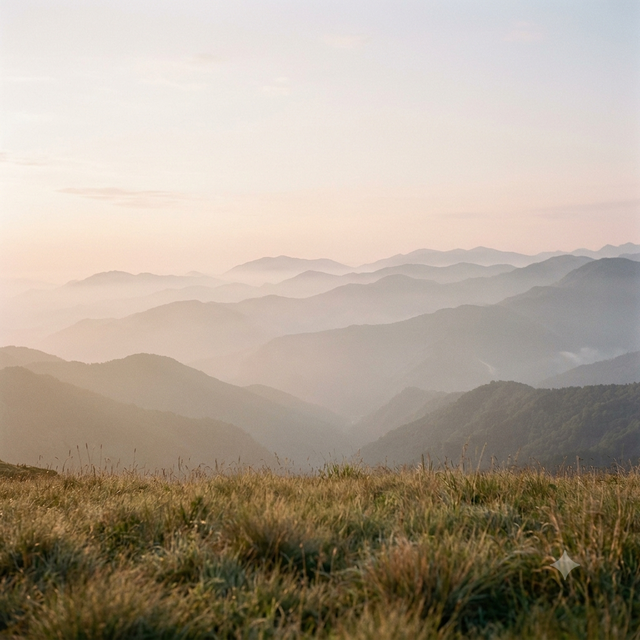
Soft spring mist begins to drift low across mountains and valleys,
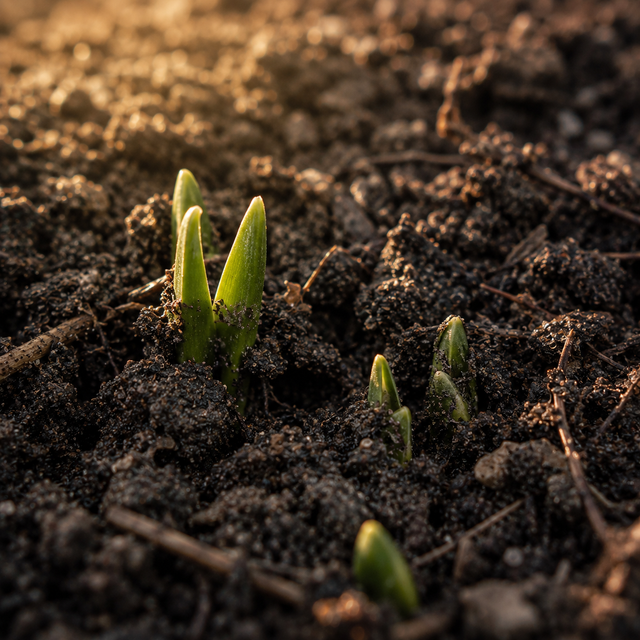
Tender green shoots begin to push through the earth as trees show their
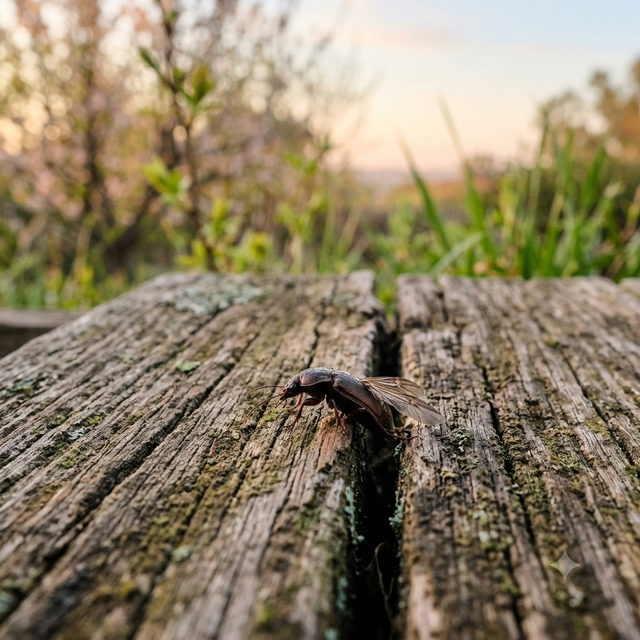
Insects that spent the winter tucked deep in the soil emerge into the
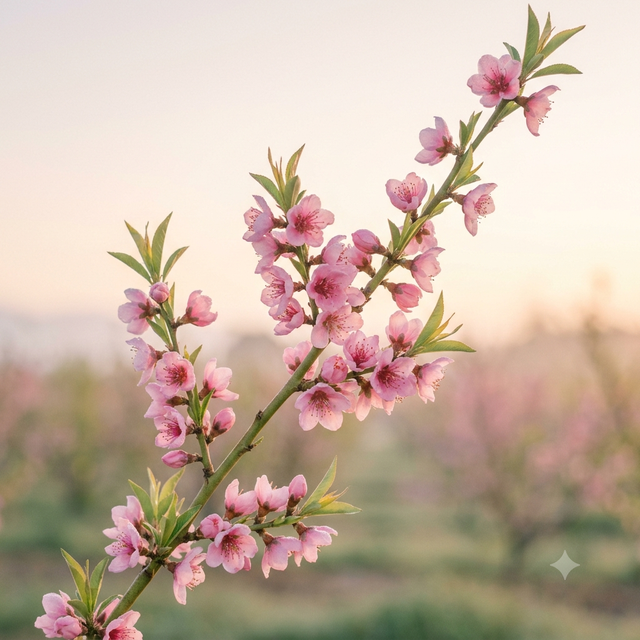
Peach trees produce their first delicate pink blossoms. In Japan, peach
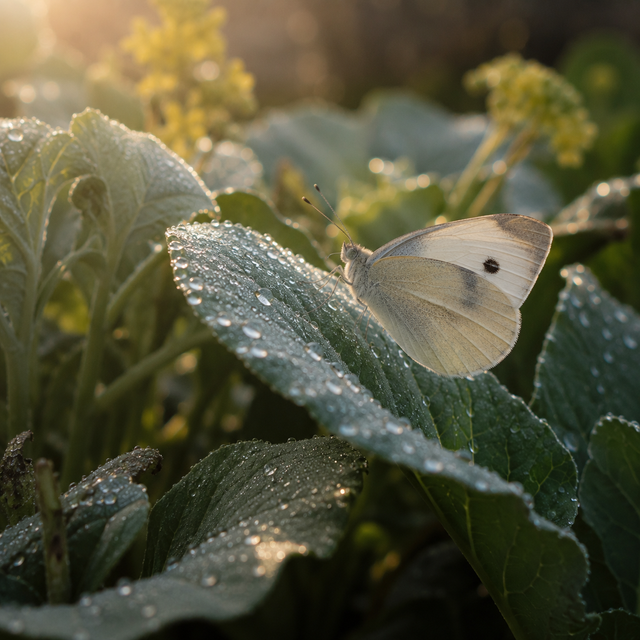
Caterpillars that fed on winter vegetables complete their transformation
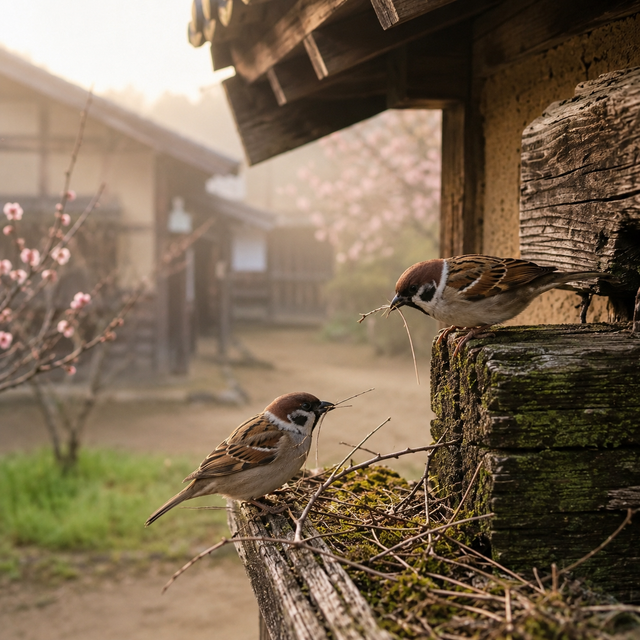
Sparrows begin building their nests as the days grow longer and warmer.
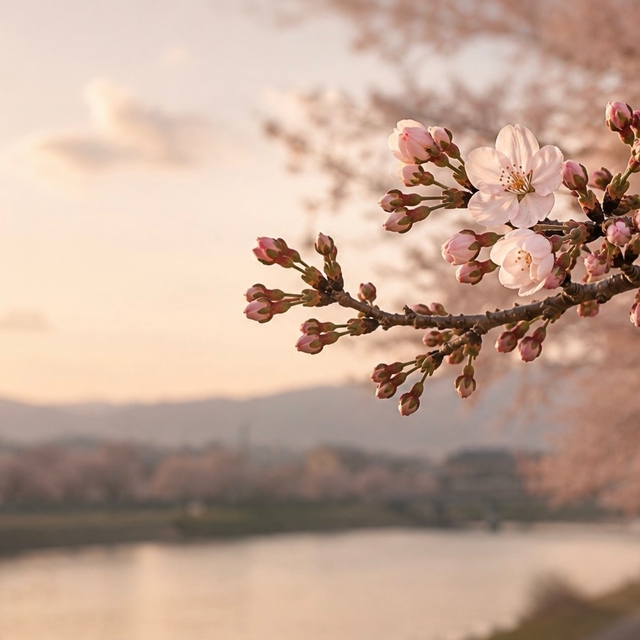
The first cherry blossoms open — arguably the most iconic moment of the
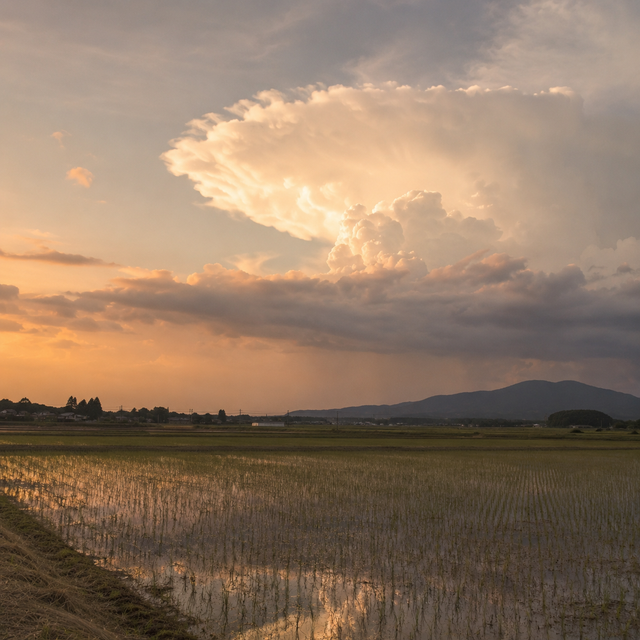
Distant thunder rolls across the sky for the first time since winter,
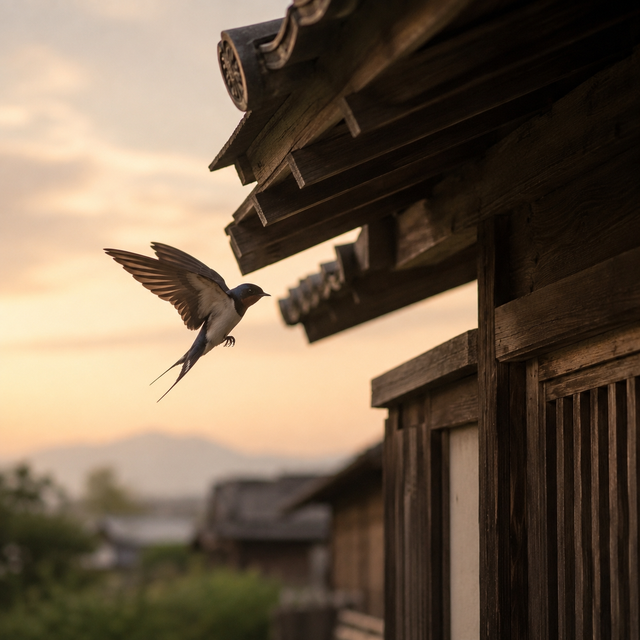
Migratory swallows return from their winter grounds in Southeast Asia to
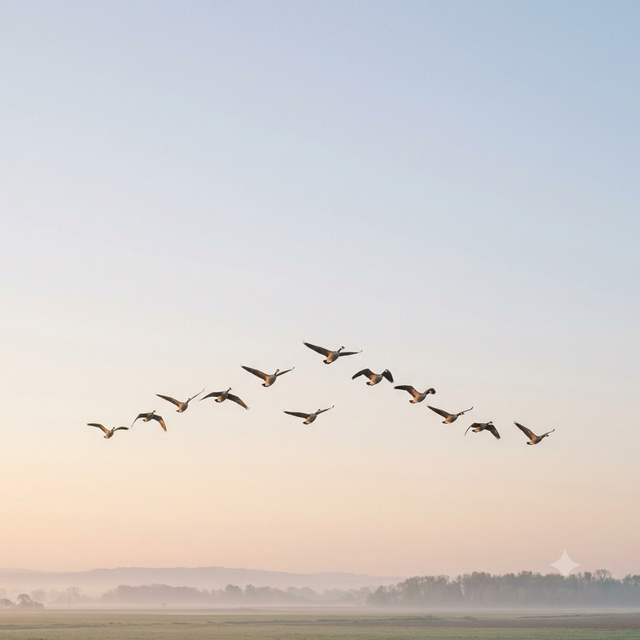
Wild geese that spent the winter in Japan begin their long journey back
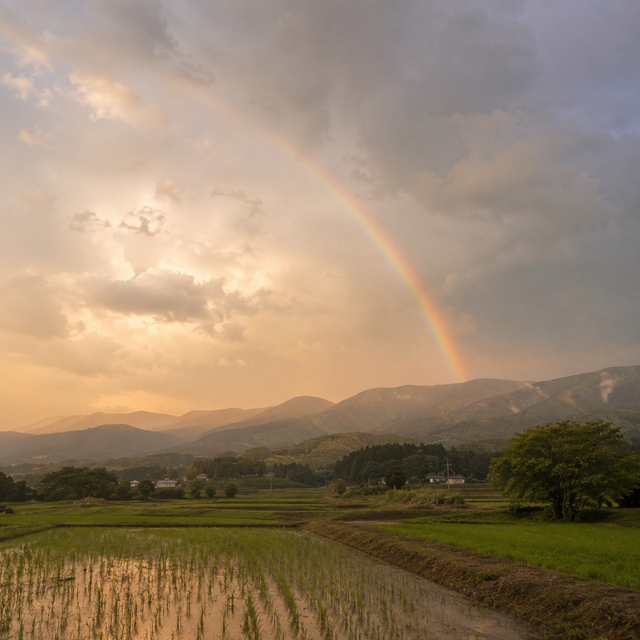
As spring rains grow stronger and the air holds more moisture, the
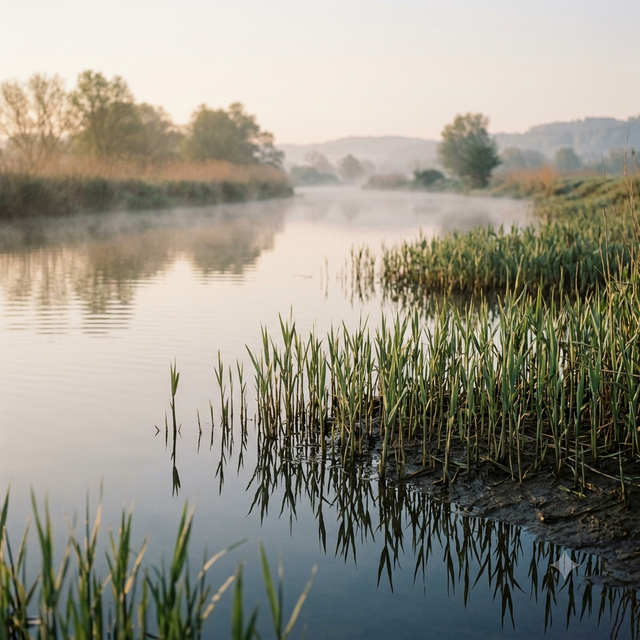
Reeds begin sprouting along riverbanks and wetlands, marking the start
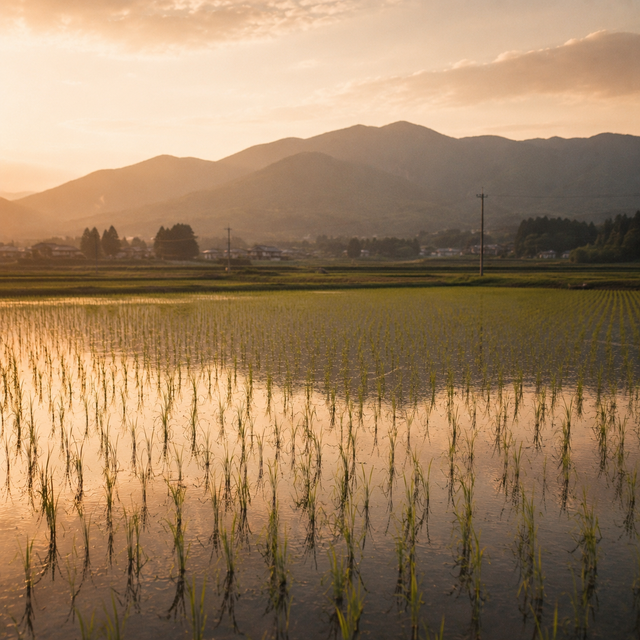
The last frosts of the year finally pass, allowing rice seedlings to be
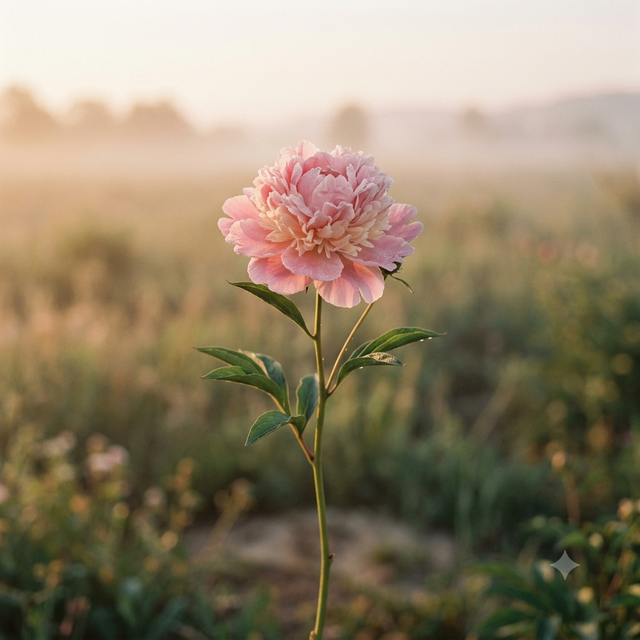
Peonies — long revered in East Asia as the "king of flowers" — reach
Vibrant Energy and the Golden Harvest
As May arrives, the regal elegance of blooming peonies officially ushers in the summer, turning the landscape into a theatre of dynamic life. Rice paddies come alive with the spirited chorus of frogs—cherished symbols of safe return and wealth—while fireflies create an enchanting spectacle, drifting through the warm summer nights.
This season celebrates childhood and resilience during Tango-no Sekku (Children's Day) with flying carp streamers. It is also a time of rich seasonal transitions, shifting from the rapid growth of bamboo shoots to the golden expanse of wheat fields ready for harvest—a period traditionally celebrated as "Mugi-Autumn." As the heavy, humid plum rains (Tsuyu) arrive, bringing refreshing relief through nutritious plums and calming irises, the season peaks with the Tanabata star festival in July, where wishes are hung on bamboo beneath a clear Milky Way, culminating in vibrant fireworks and traditional yukata festivals.
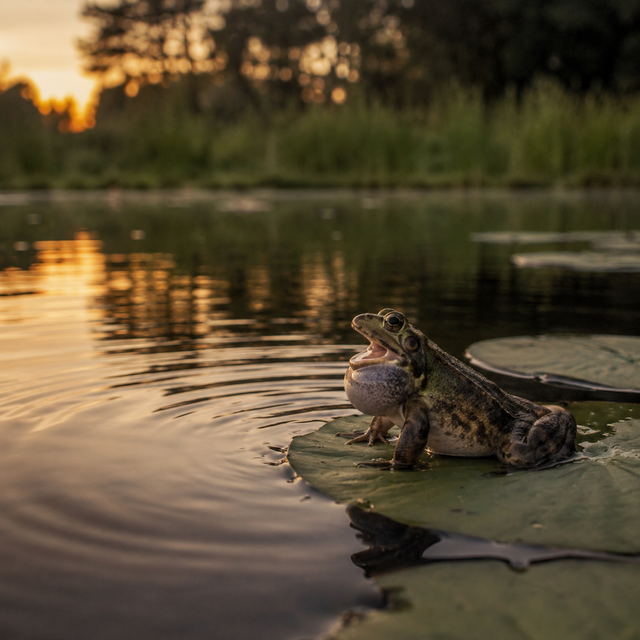
Frogs begin their evening chorus in flooded rice paddies across the
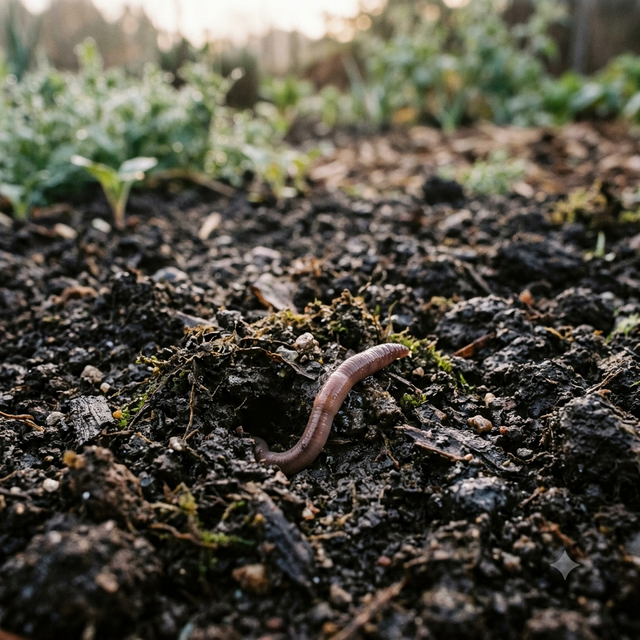
Earthworms emerge from the warming soil, quietly enriching the earth for
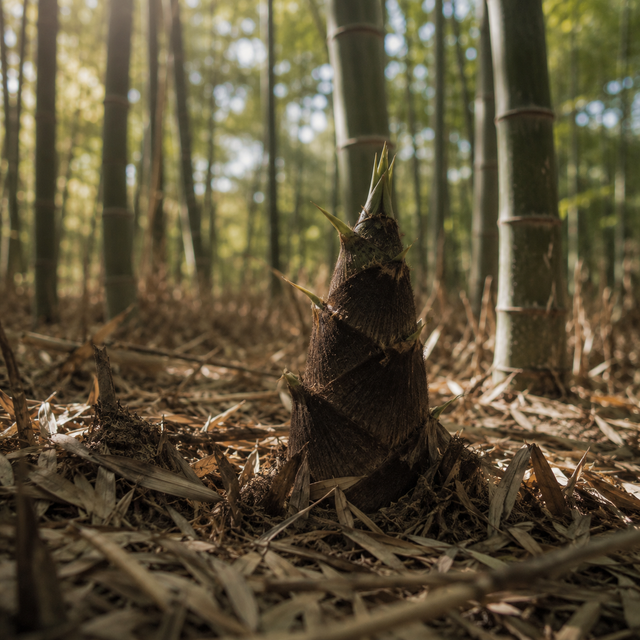
Fresh bamboo shoots push rapidly out of the earth — sometimes growing
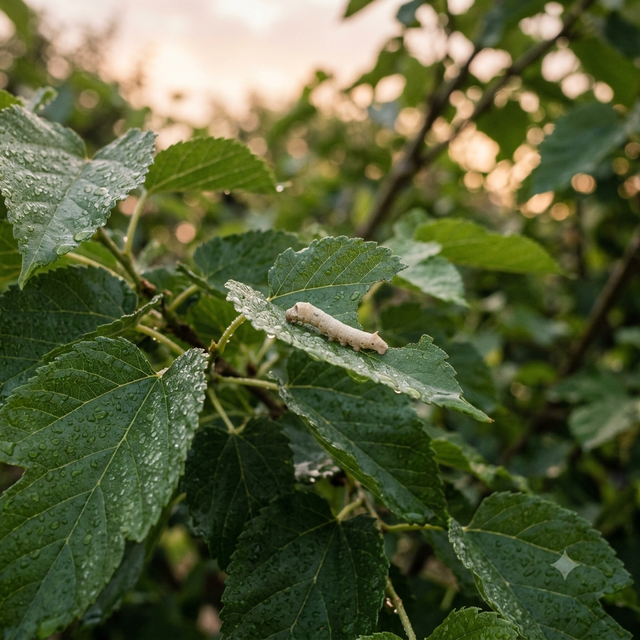
Silkworms awaken and begin devouring mulberry leaves at a remarkable
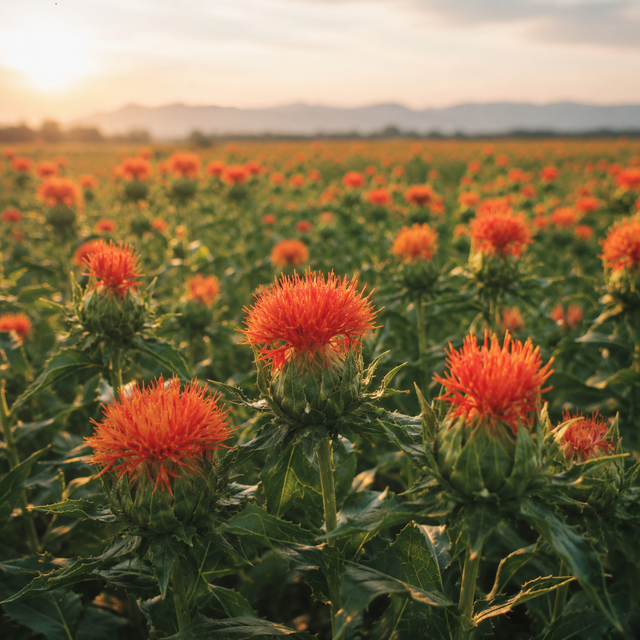
Safflowers bloom in vibrant orange-red hues. Their petals have been used
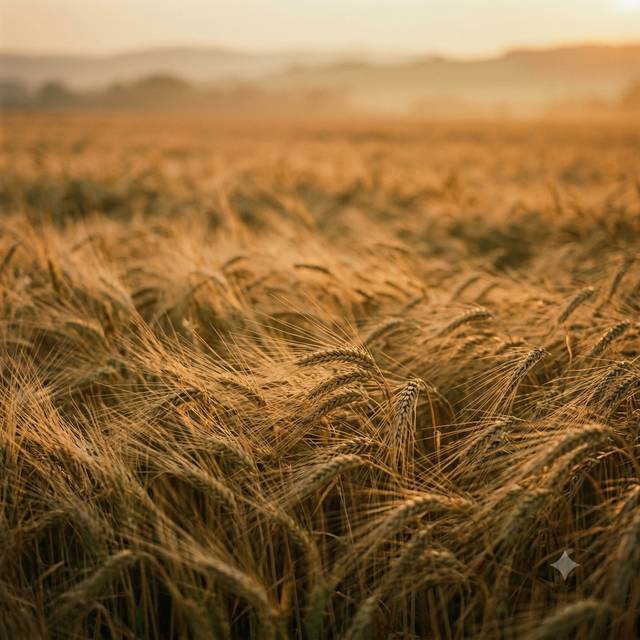
Wheat fields turn golden and ripen for harvest — even though summer has
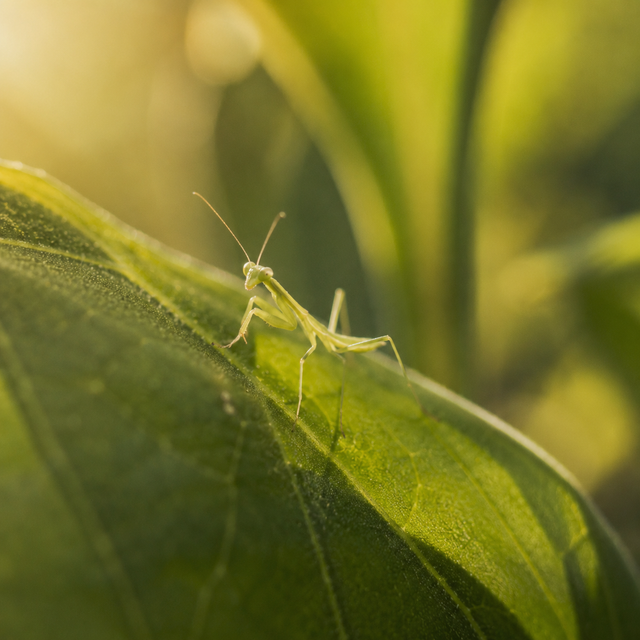
Newborn praying mantises emerge from their egg cases and begin their
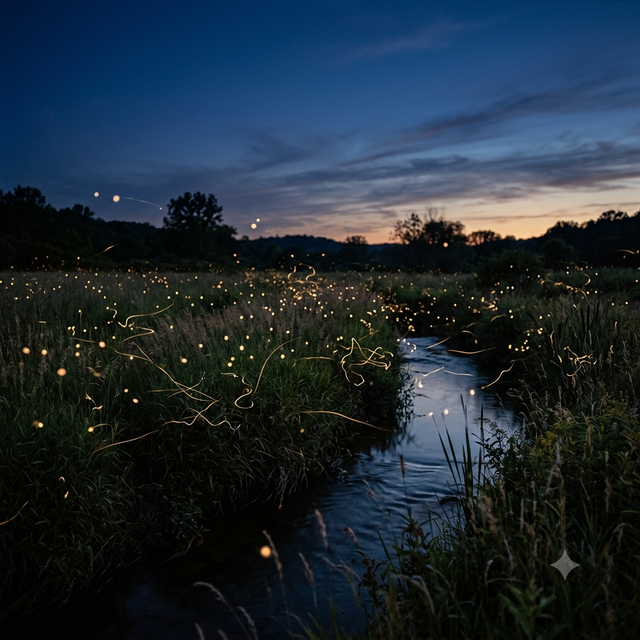
Fireflies begin to glow above damp grasslands and quiet streams. Ancient
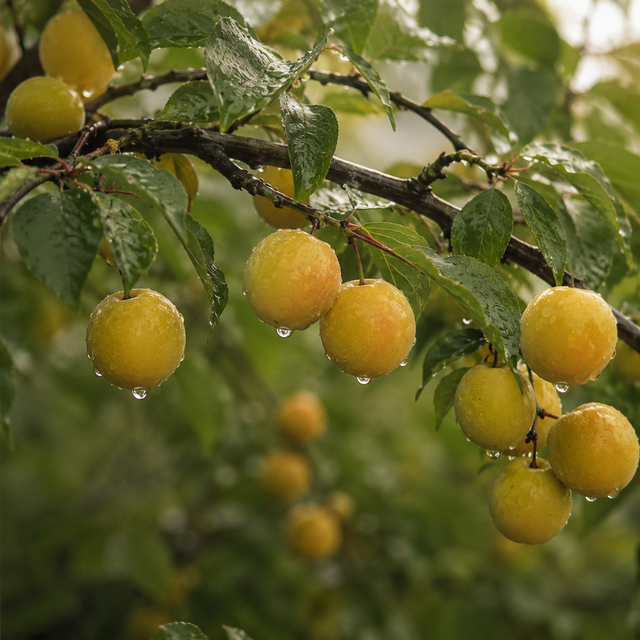
Japanese ume (sour plums) ripen from green to gold on the branch. This
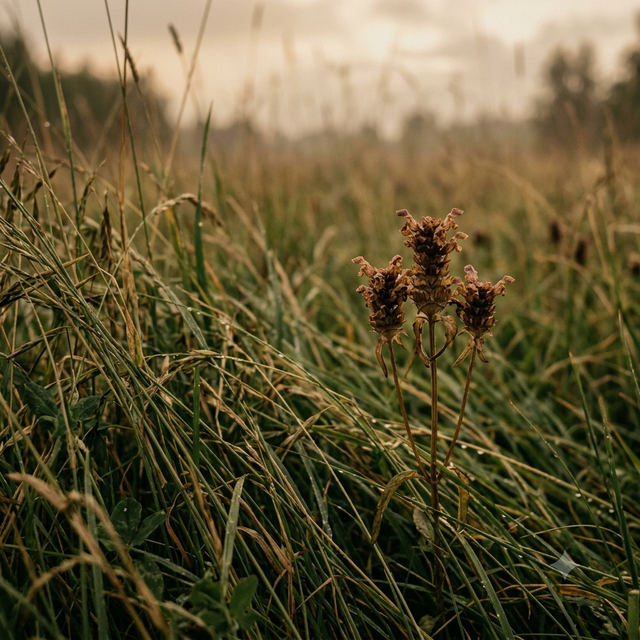
The self-heal plant (utsubogusa) withers even as everything else
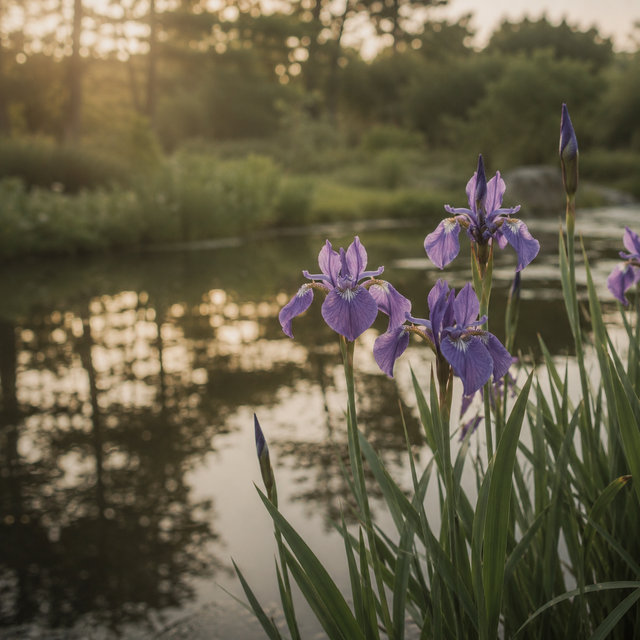
Elegant purple and white irises come into full bloom, celebrated in
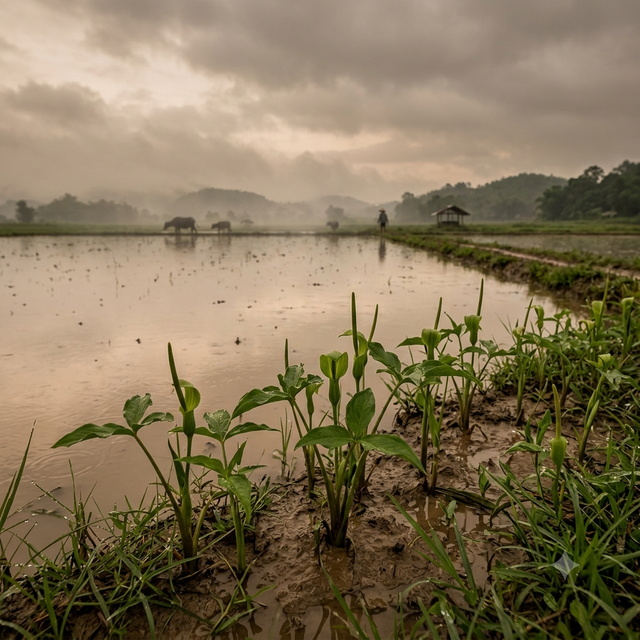
The crow-dipper plant (a type of arum) sprouts, marking a traditional
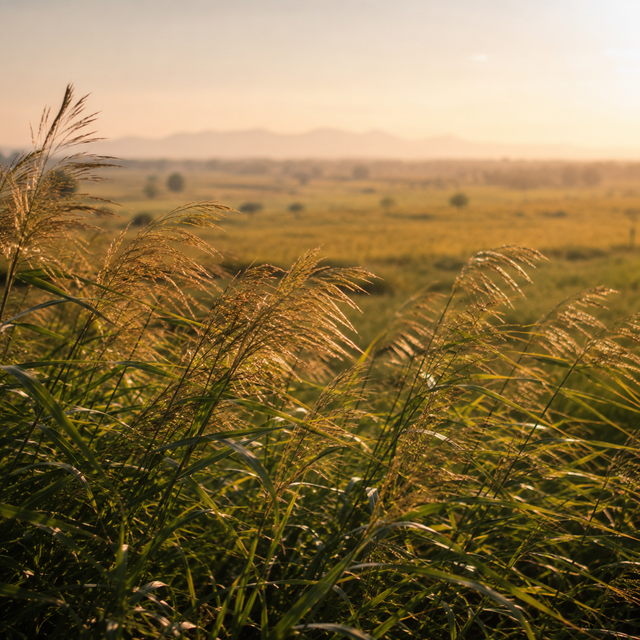
Warm summer winds begin to sweep through the country, signaling the
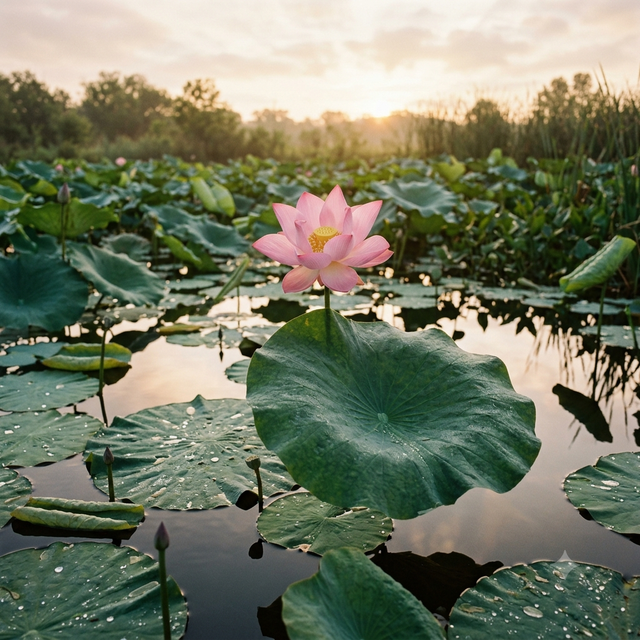
Lotus flowers unfurl their delicate petals across ponds at dawn. Sacred
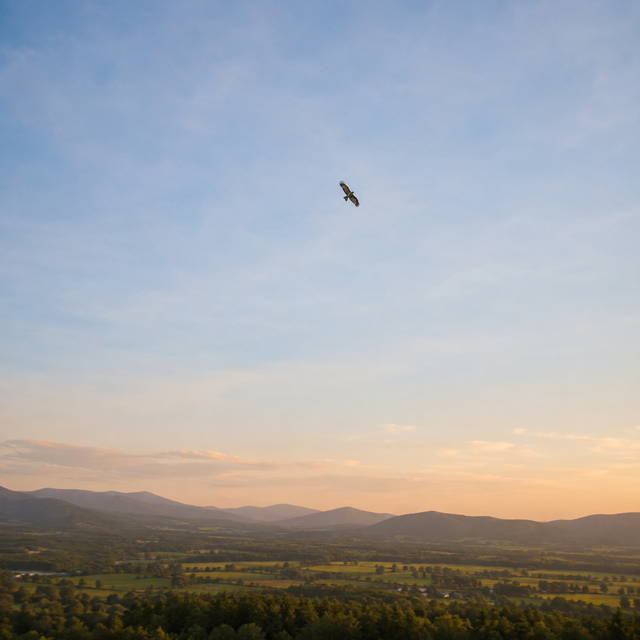
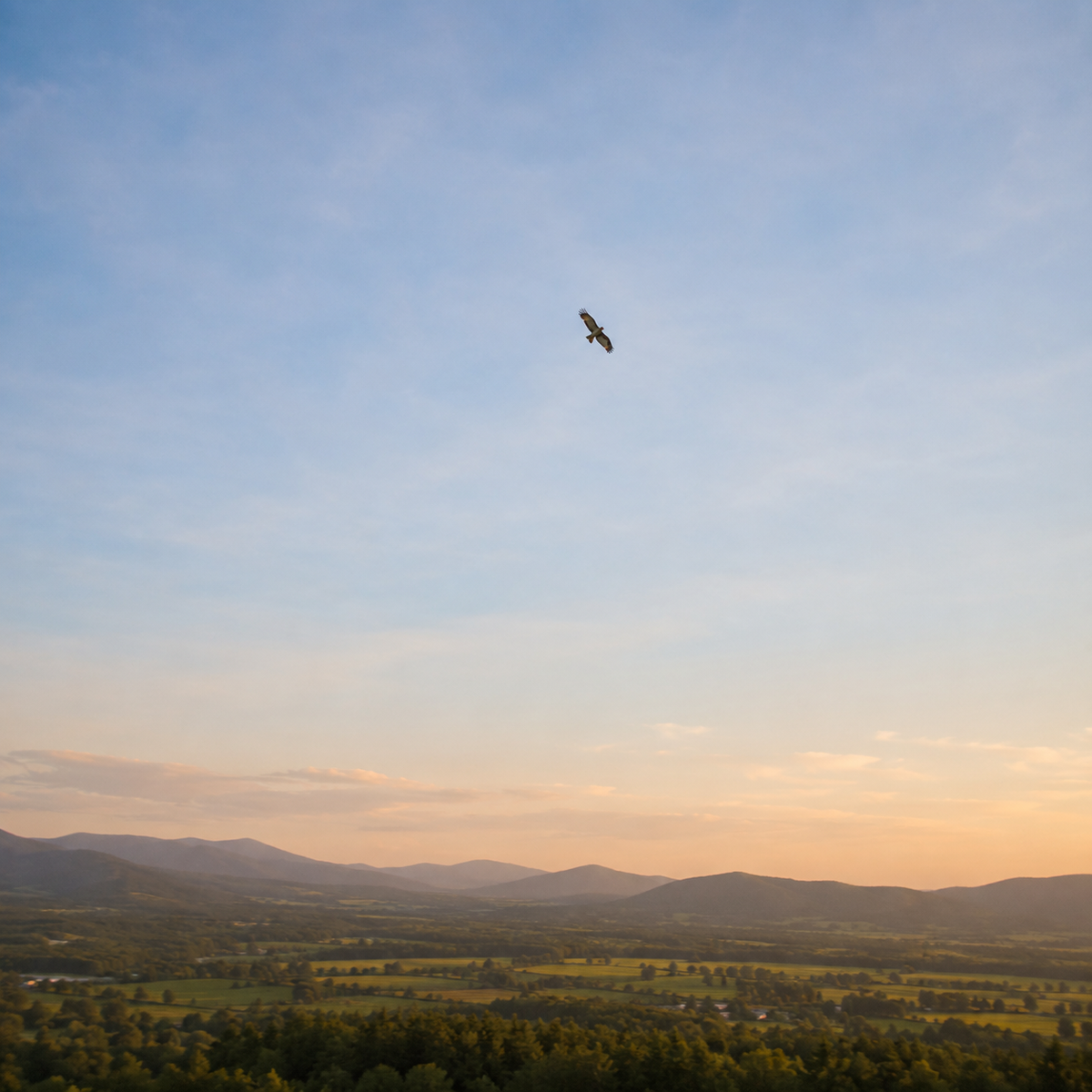
Young hawks born earlier in the year begin practicing flight and hunting
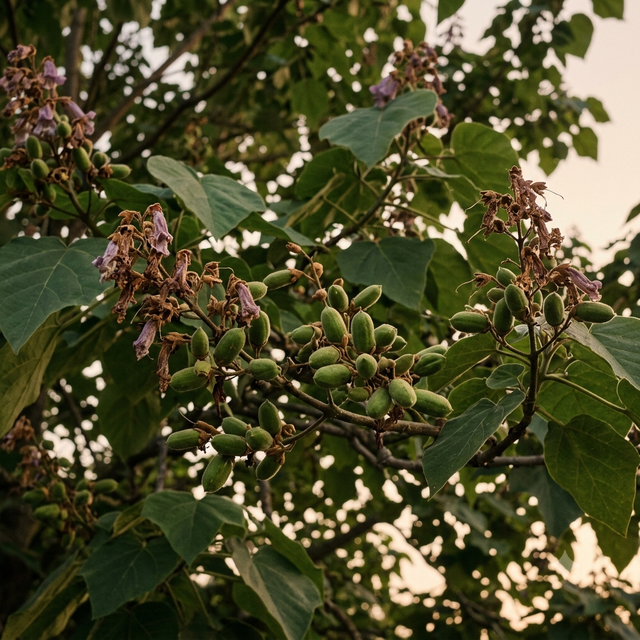
The paulownia tree — long associated with Japan's imperial family —
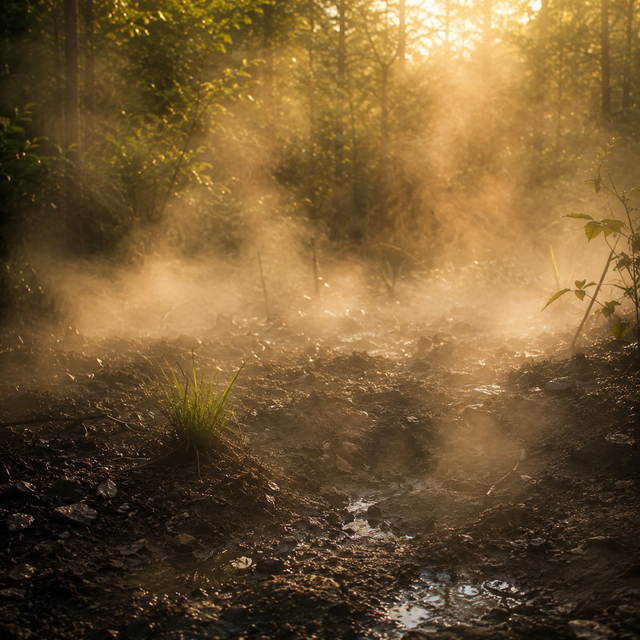
The famously heavy, sticky humidity of Japanese midsummer settles fully
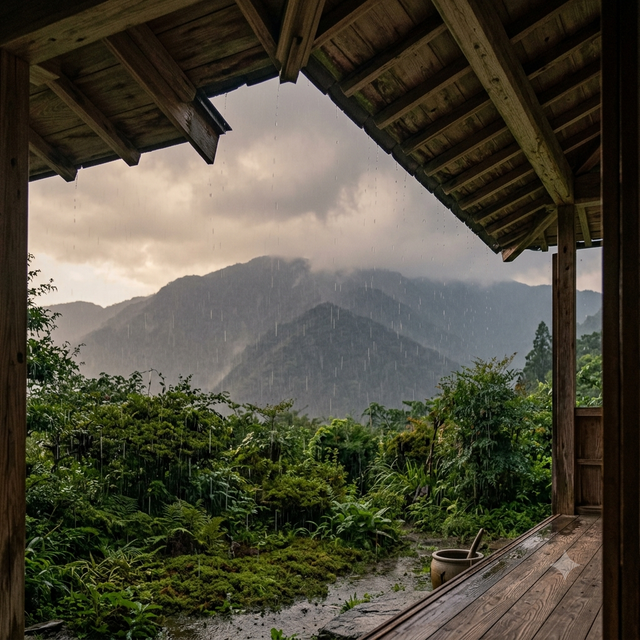
Sudden, powerful summer downpours arrive without warning, offering brief
Serene Stillness and the Golden Bounty
Autumn marks a transition toward profound stillness, beginning the moment the intense summer heat gives way to soothing northern breezes and the melodic chirping of crickets. The landscape gradually shifts to gold as the historic terraced fields are drained for the sacred rice harvest.
With the arrival of cooler nights, delicate morning fog and glistening white dew (Hakuro) form on the foliage, signaling summer birds like swallows to journey south while welcoming the return of migrating wild geese. This is a season deeply tied to reflection and ancestry, highlighted by the Obon festival and the autumnal equinox. As the days crisp, majestic chrysanthemums—the long-standing emblem of the imperial family and nobility—reach full bloom. The season reaches a dramatic finale with the unexpected late-autumn drizzles and the sweeping "red-leaf foliage front," which bathes the mountains in breathtaking hues of crimson and gold.
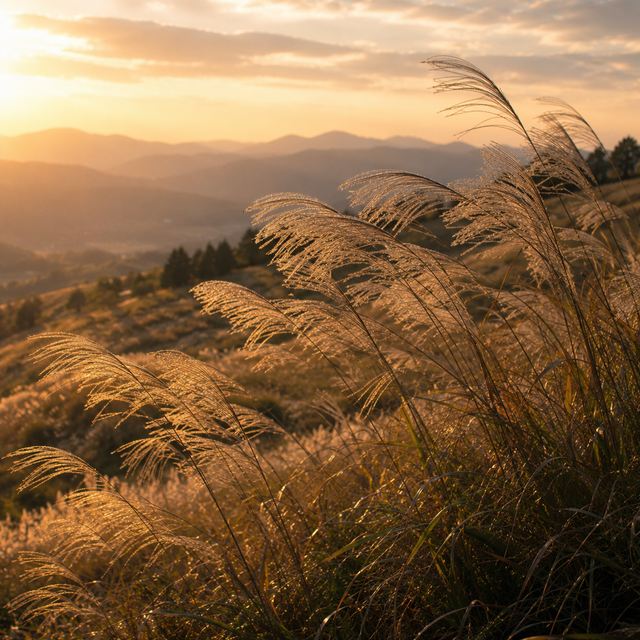
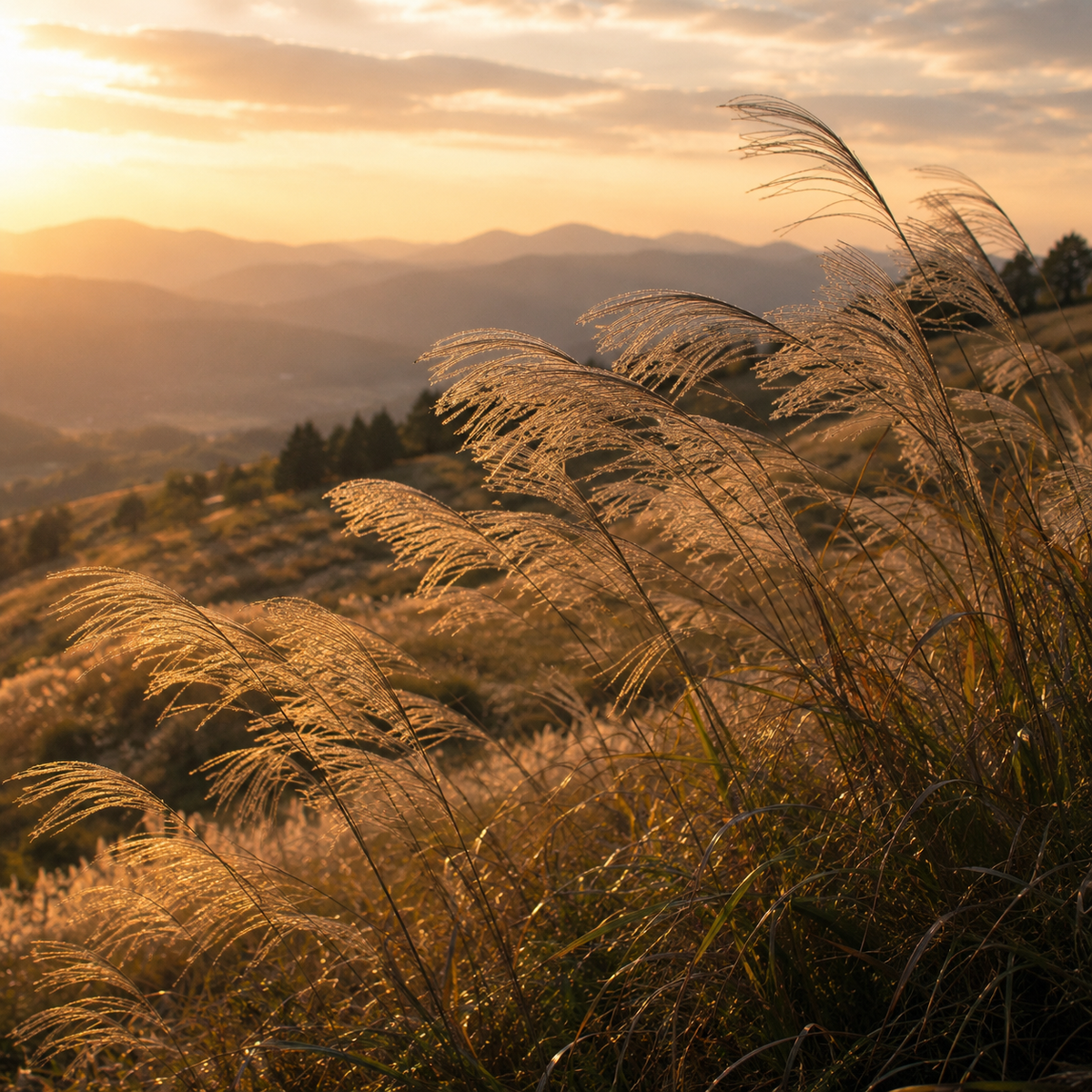
The first cool breezes cut through the lingering summer heat, offering
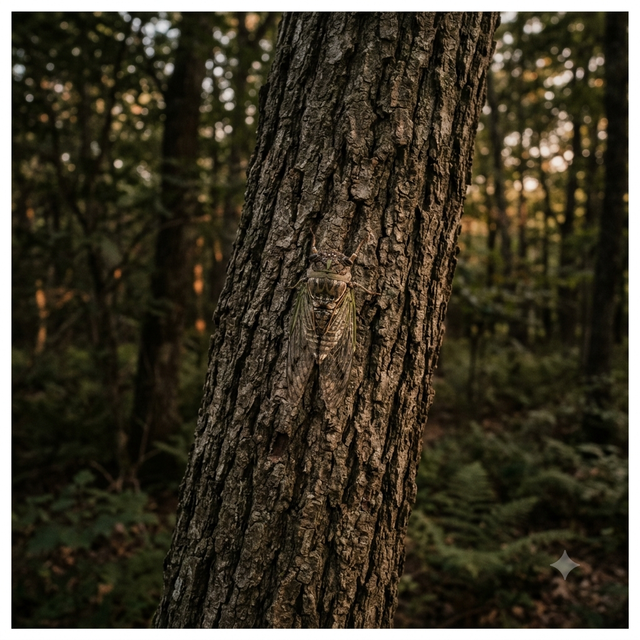
The higurashi cicada — with its haunting, bell-like song at dawn and
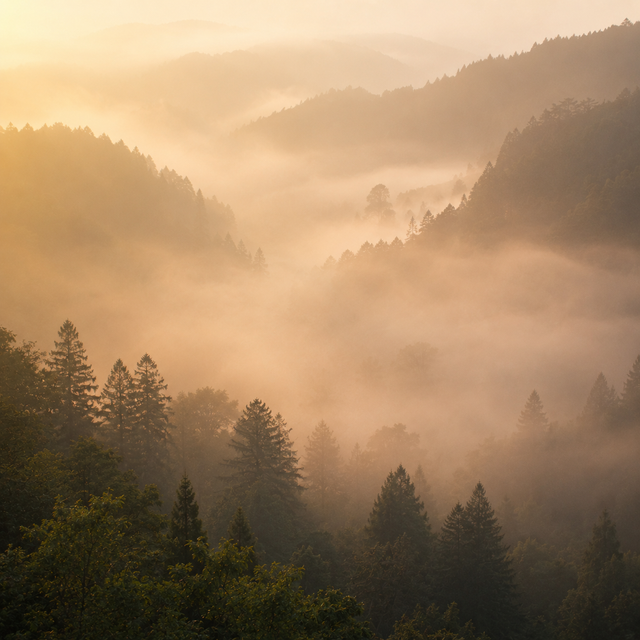
Dense morning fog begins to settle over mountains and valleys as
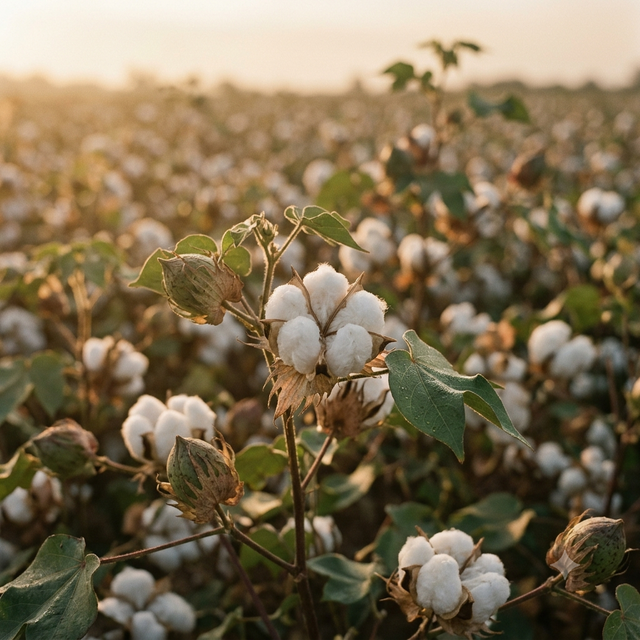
Cotton bolls open, revealing the soft white fibers within. Cotton
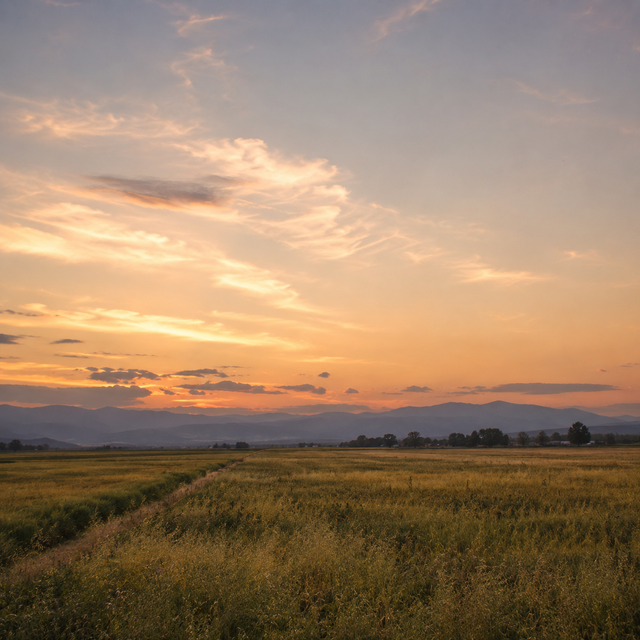
Heaven and earth finally begin to quiet down as summer's intensity
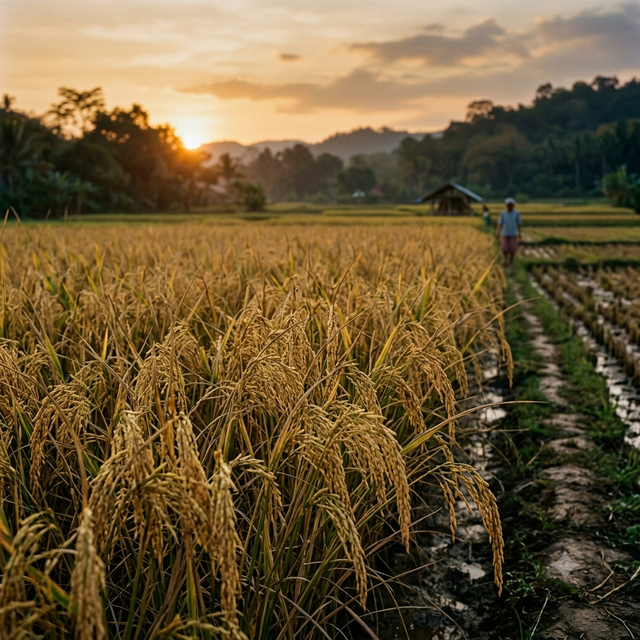
Rice fields turn golden as the grains fully ripen, ready for the sacred
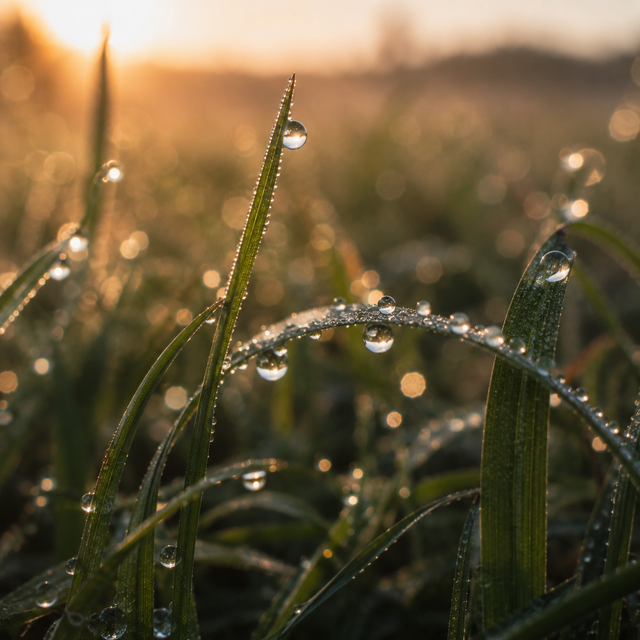
Morning dew now catches the light on cool blades of grass, appearing
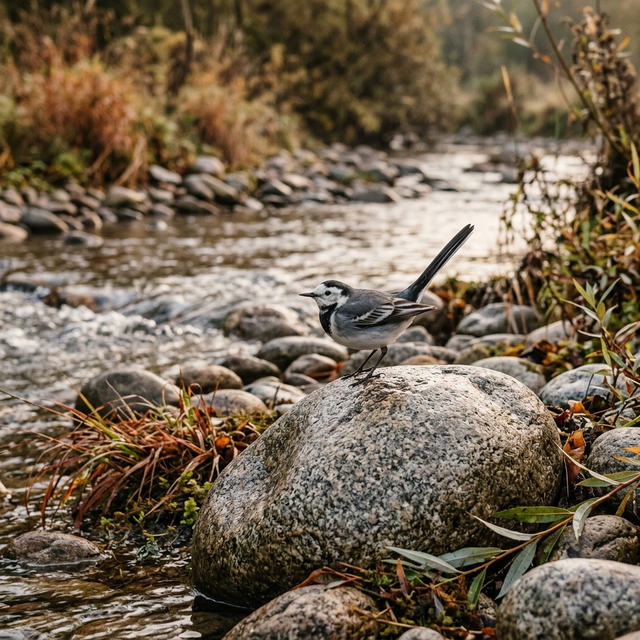
Wagtails — small, tail-bobbing birds — begin their distinctive song.
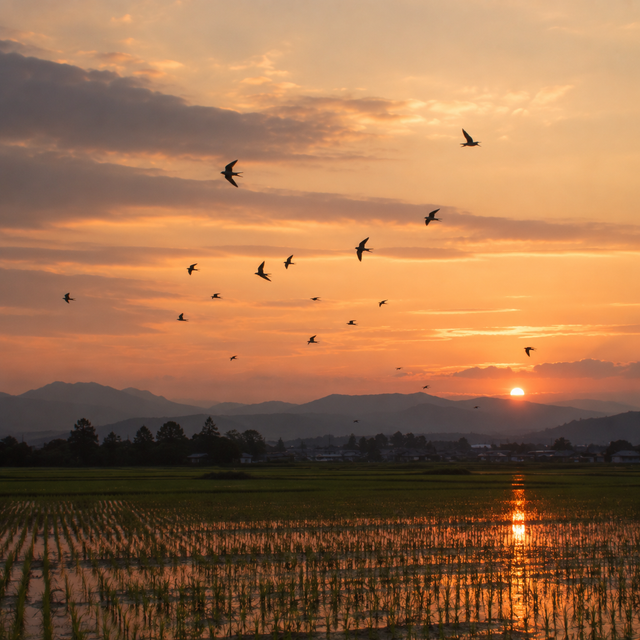
The swallows that returned in spring now depart for their winter grounds
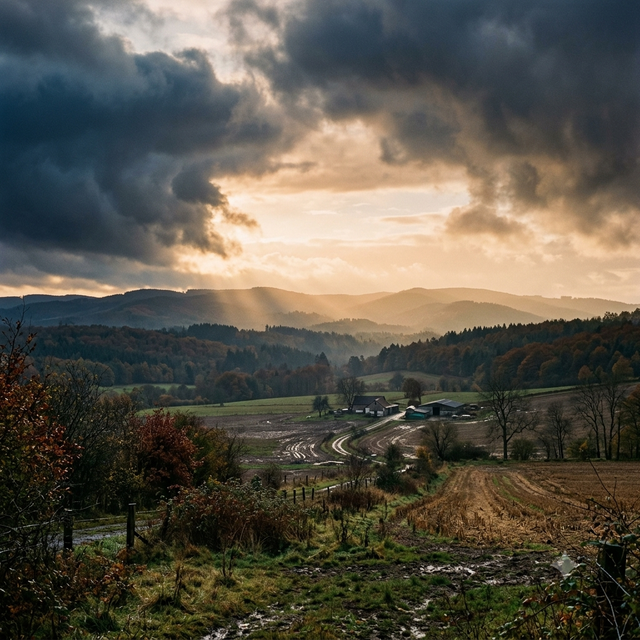
The thunder that arrived in spring finally falls silent for the year.

Insects begin retreating back into the earth to prepare for winter —
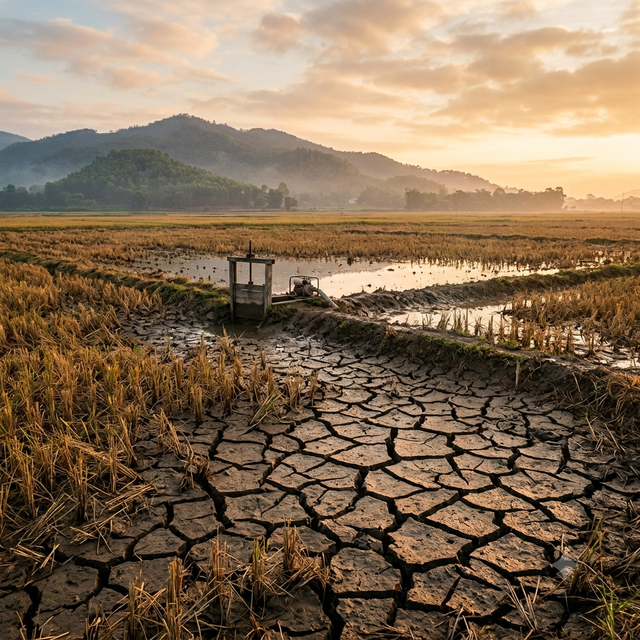
Farmers drain the water from rice paddies in preparation for harvest.
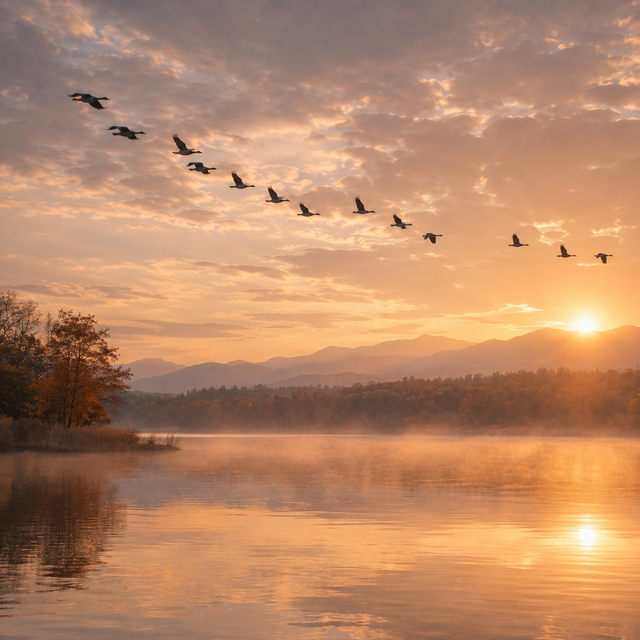
The wild geese that flew north in spring now return to spend winter in
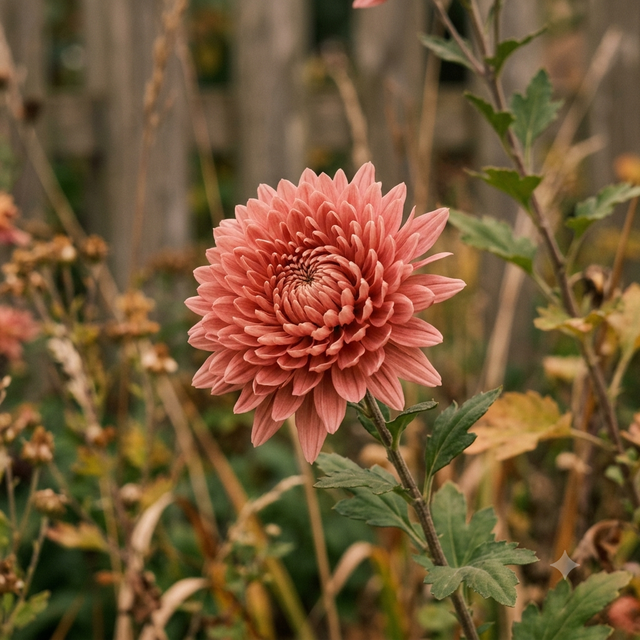
Chrysanthemums — the imperial flower of Japan — reach their magnificent
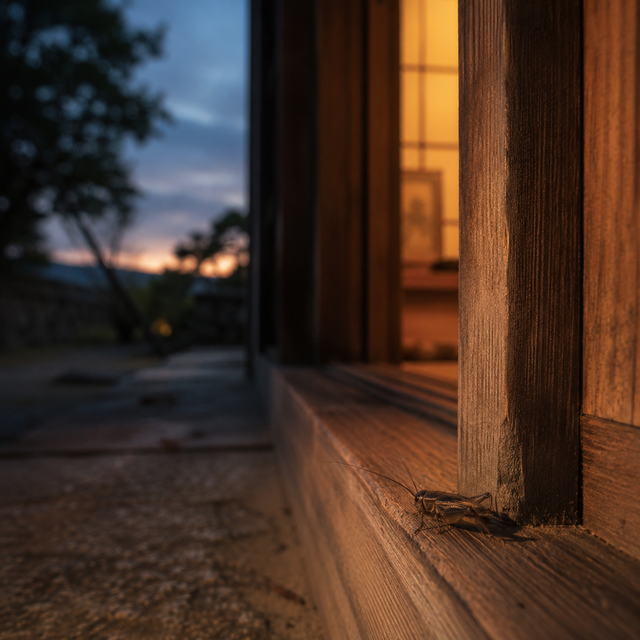
Crickets move from fields to the warmer thresholds of homes, filling
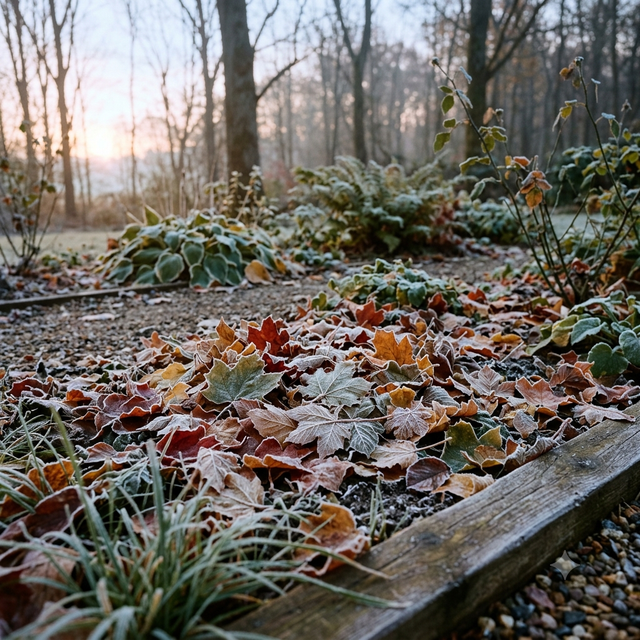
The year's first frost appears on cold mornings, glinting on grass and
Sudden, brief light rains — known as shigure — pass through, then
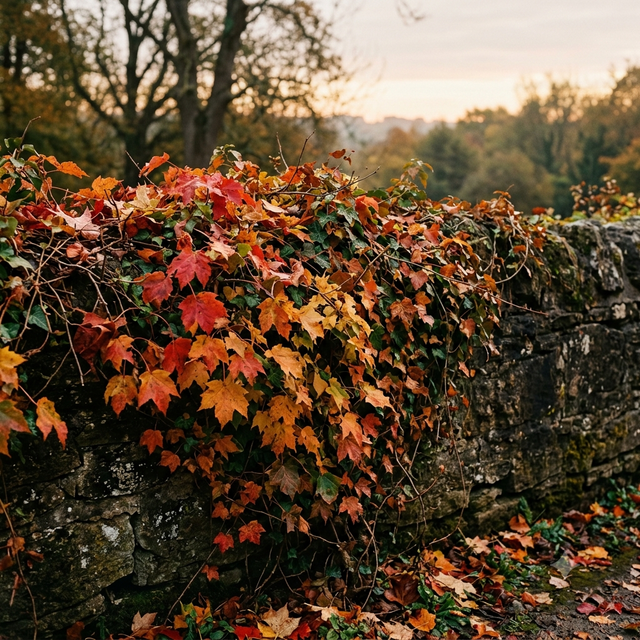
Japanese maples and ivy transform into their brilliant autumn hues.
Quiet Resilience and Introspective Beauty
Winter envelops the earth in a serene, introspective quiet, formally commencing as vibrant camellias and pristine, elegant narcissus flowers pierce through the stark, freezing landscapes. The world gently slows down under thick blankets of snow during Taisetsu (Great Snow), prompting nature into a period of deep rest, from hibernating bears to the quiet, frozen streams.
Yet, beneath this frozen surface lies an enduring resilience: winter salmon return to their natal rivers as symbols of perseverance, and deep in the soil, hidden wheat sprouts and wild herbs patiently await the distant warmth. Traditional customs like taking soothing yuzu baths and eating pumpkin during the winter solstice offer warmth and protection against the cold. As January transitions into the year's coldest phase (Daikan), the subtle stirring of spring water, the mating calls of the green pheasant, and hens beginning to lay eggs all quietly signal that winter's grip is breaking, making way for a new cycle of life.
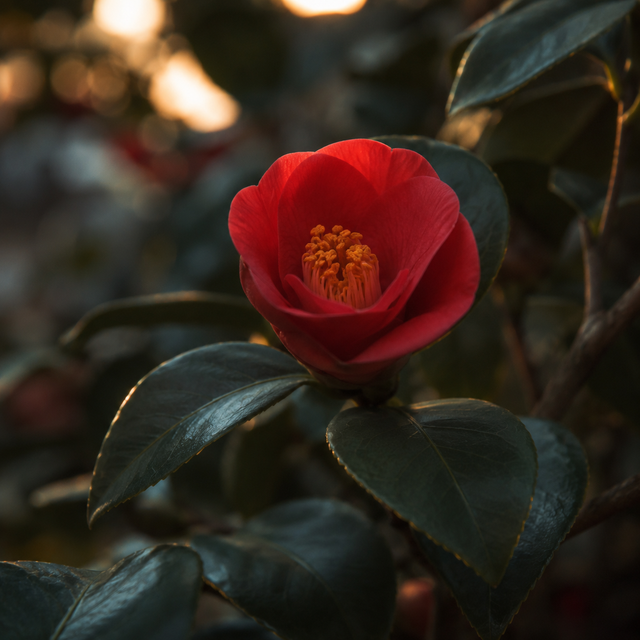
The sasanqua camellia — a hardy winter flower — begins to open its
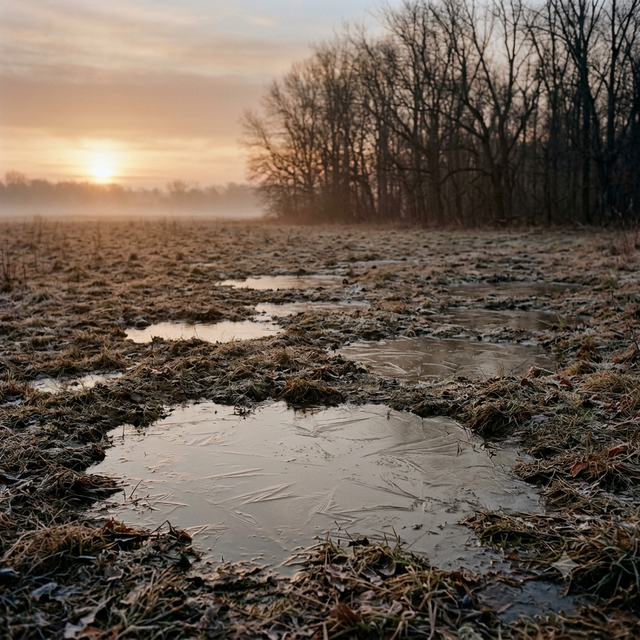
The ground freezes for the first time as true winter takes hold. Farmers
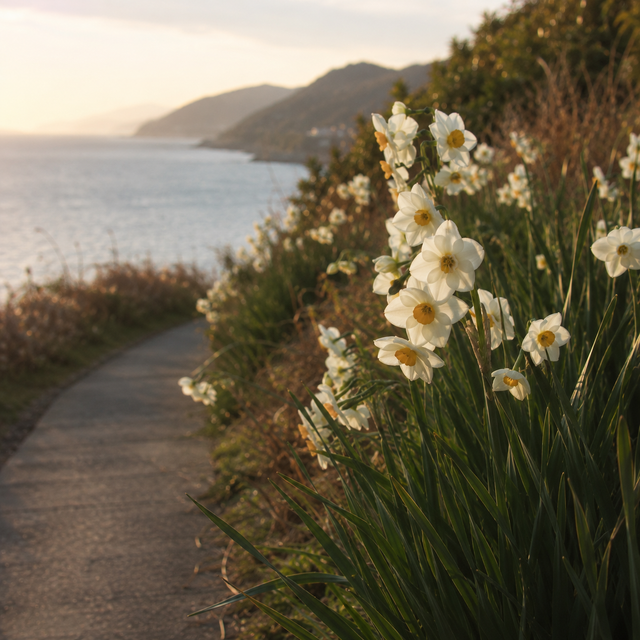
Elegant narcissus flowers open, releasing their delicate perfume across

Rainbows disappear from the sky as the dry, cold winter air holds too
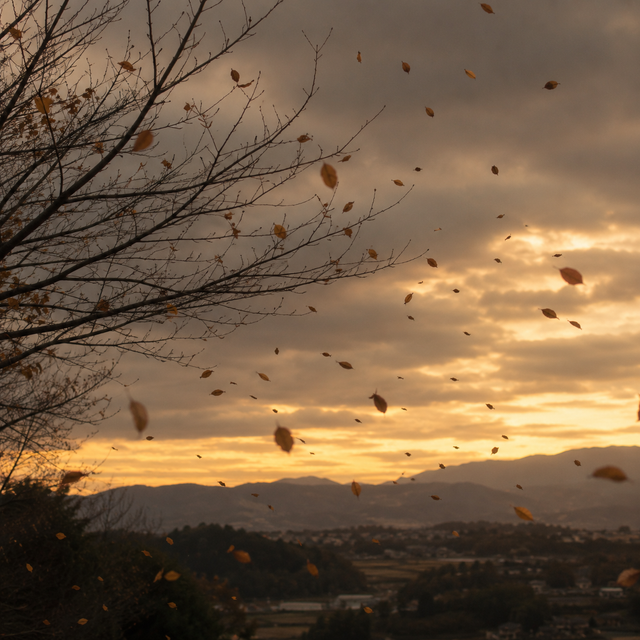
Sharp northerly winds strip the last leaves from the trees, revealing
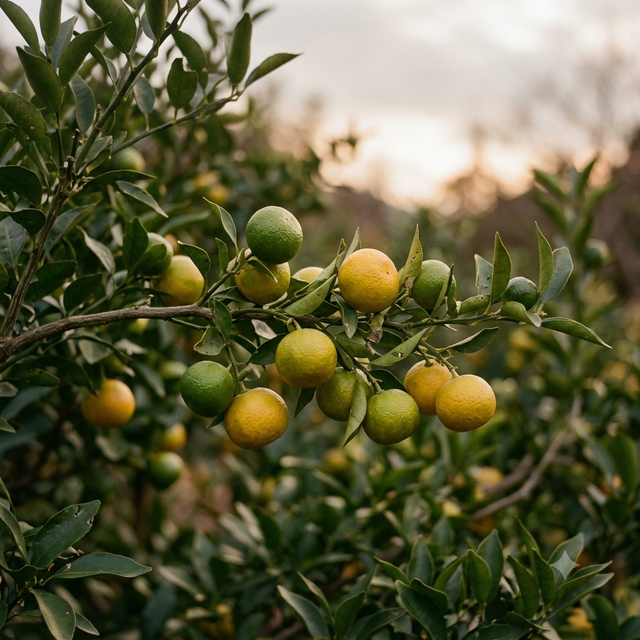
Tachibana — a native Japanese citrus — ripens to a golden yellow. This
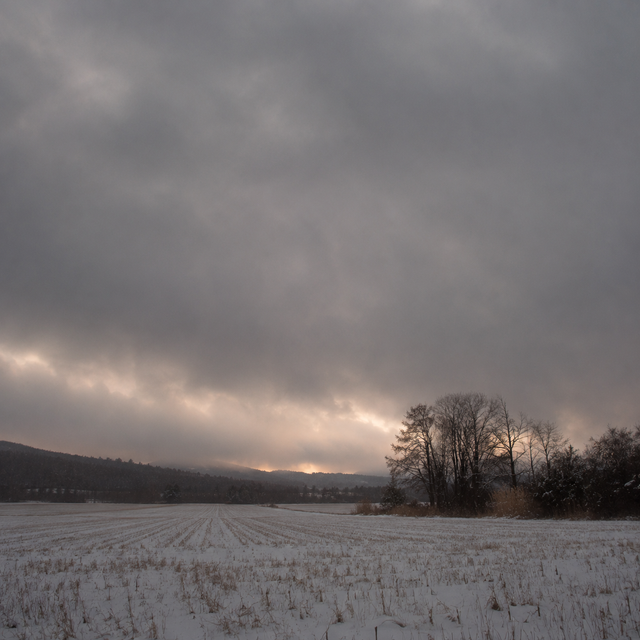
Heaven and earth become sealed by heavy grey skies as full winter
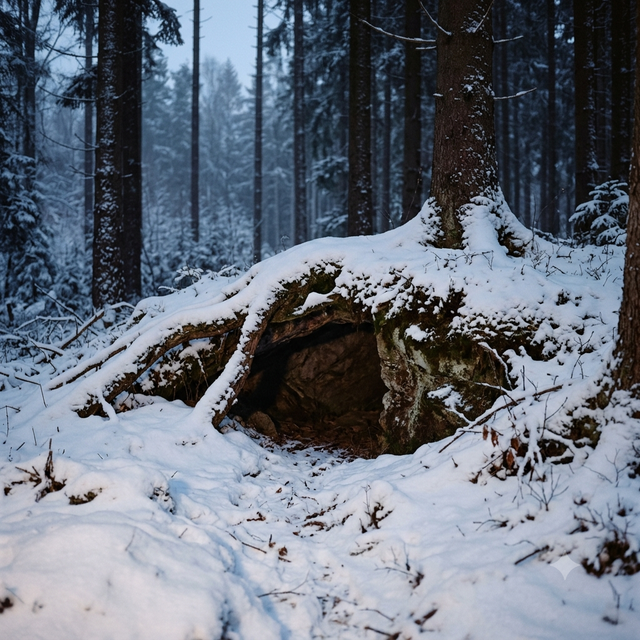
Bears retreat into caves to begin their long winter sleep. In Japanese

Salmon gather in schools and battle their way upstream to spawn — even
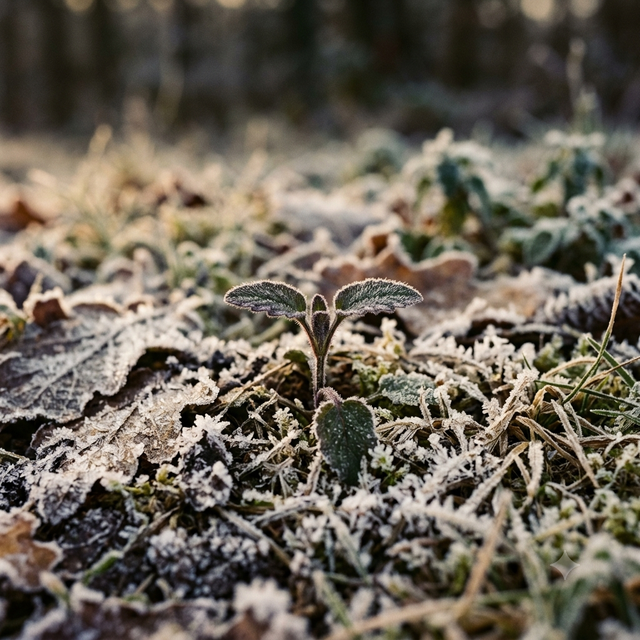
The self-heal plant — the same one that withered at summer solstice —
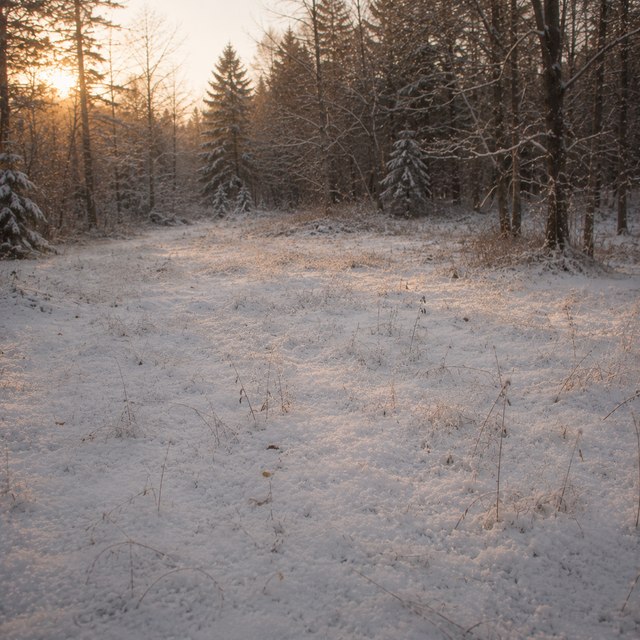
Male deer shed their antlers, preparing to grow new ones in spring. This
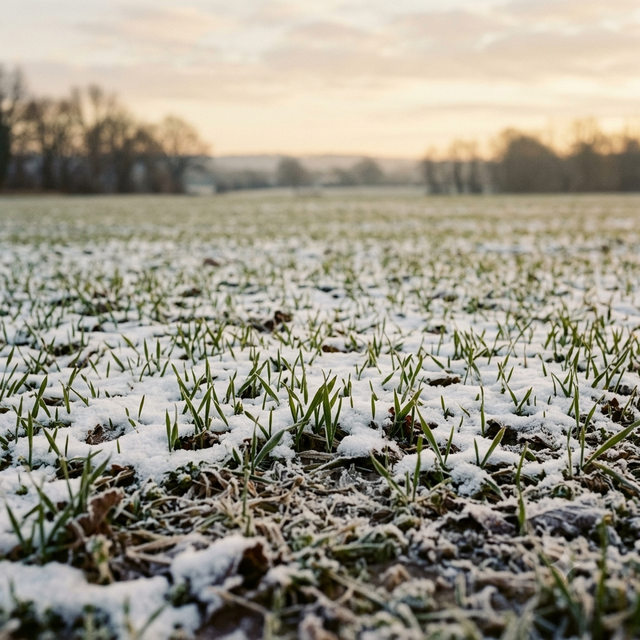
Wheat quietly begins to sprout beneath the snow, invisible to the eye but very much alive. This hidden vitality is a beloved image of hope and resilience in the darkest part of the year.
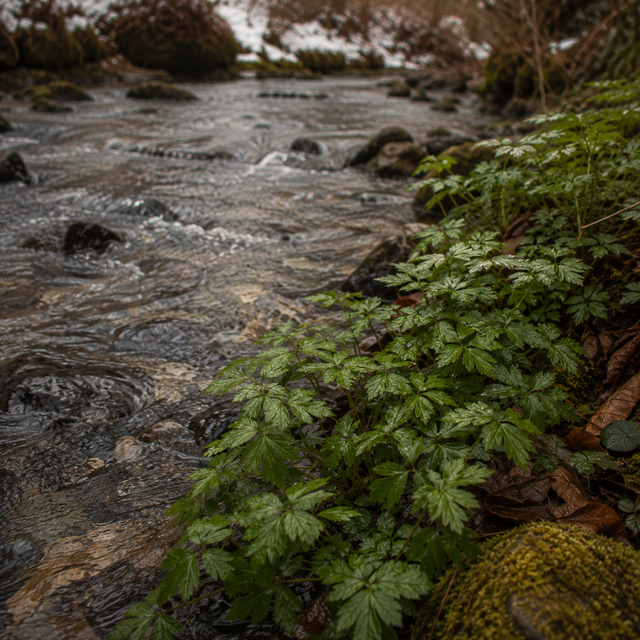
Japanese water parsley (seri) flourishes despite the deep cold. It is one of the "seven herbs of spring" (nanakusa), traditionally eaten in a rice porridge on January 7th to invite good health for the year ahead.
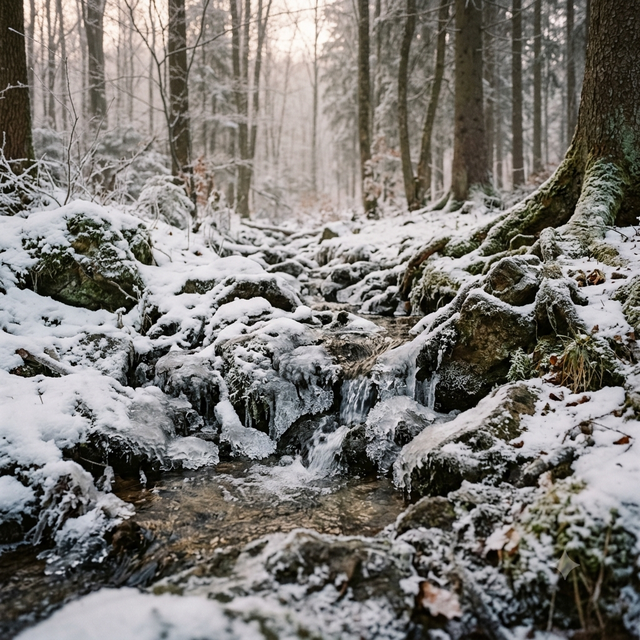
Deep underground, natural springs begin to warm and stir — even as the surface world remains frozen. This hidden movement reflects the Japanese belief that renewal begins invisibly before it can be seen.
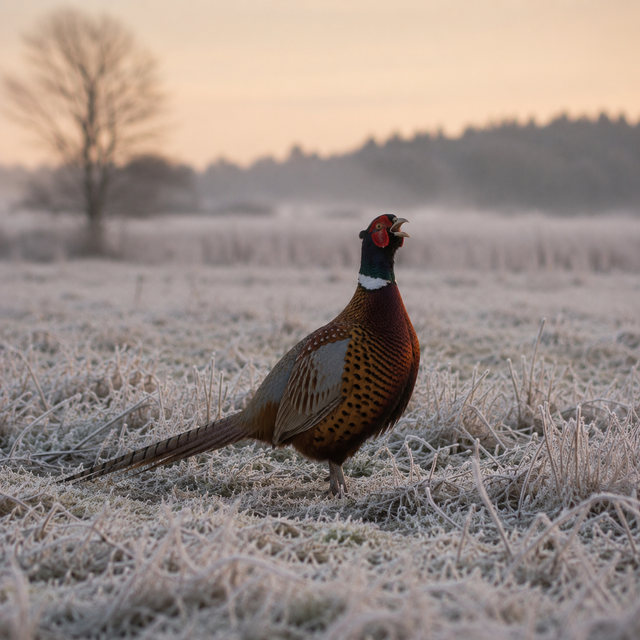
The green pheasant — Japan's national bird — begins its distinctive mating call. Their return to song, even in winter's grip, signals that spring is closer than it appears.
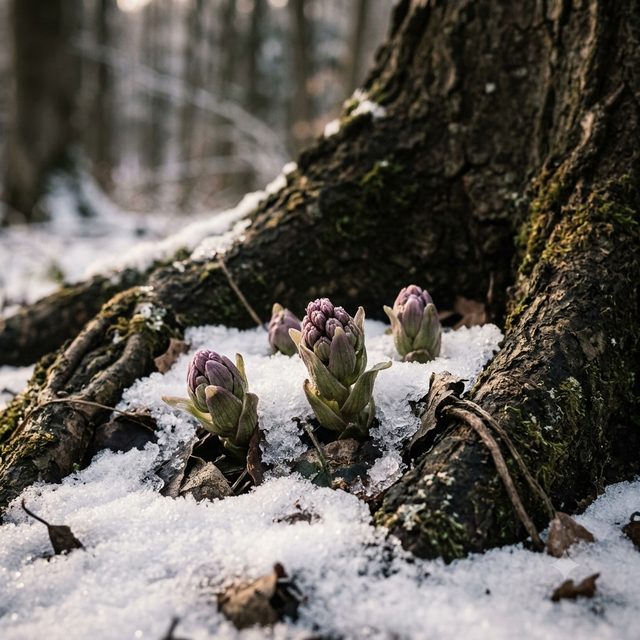
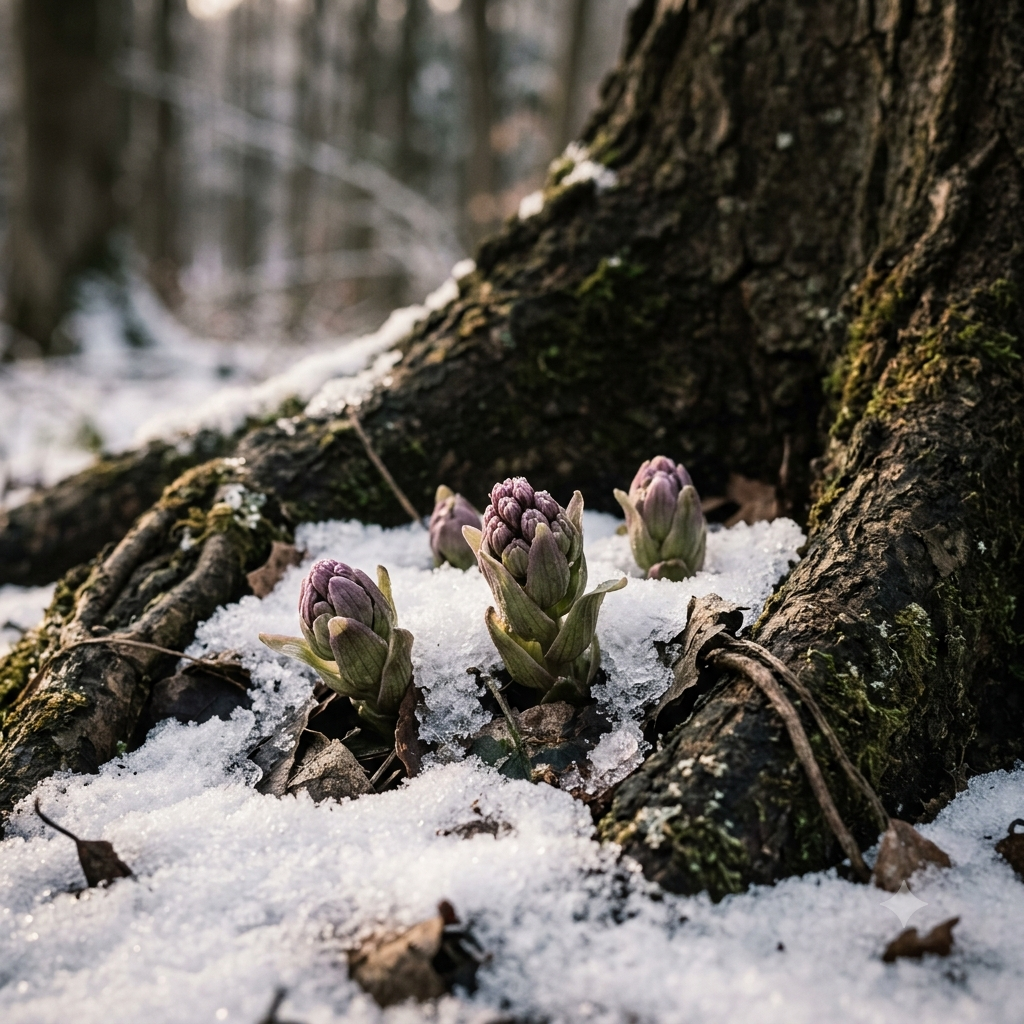
The butterbur plant (fuki) pushes its distinctive flower buds through the snow. This bitter but prized wild vegetable is one of the earliest edible signs of the coming spring — a traditional herald of hope.
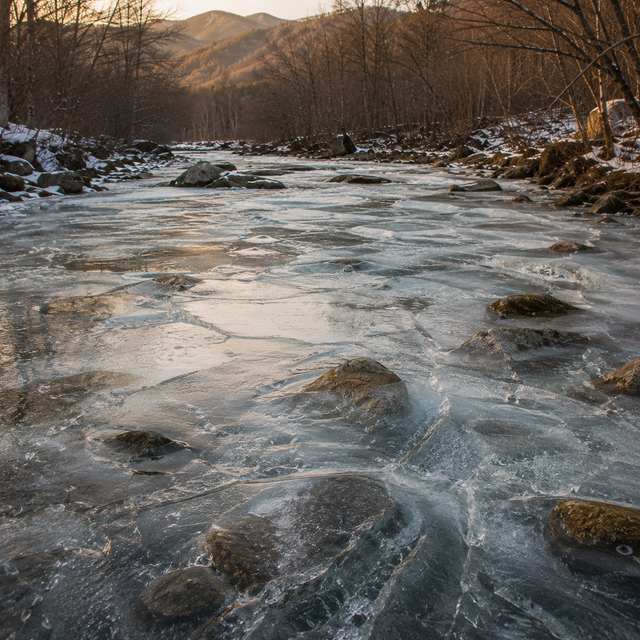
Ice on mountain streams reaches its greatest thickness of the year, marking the depths of winter's cold. This is when the traditional practice of making frozen delicacies like kōri-dōfu (freeze-dried tofu) historically took place.
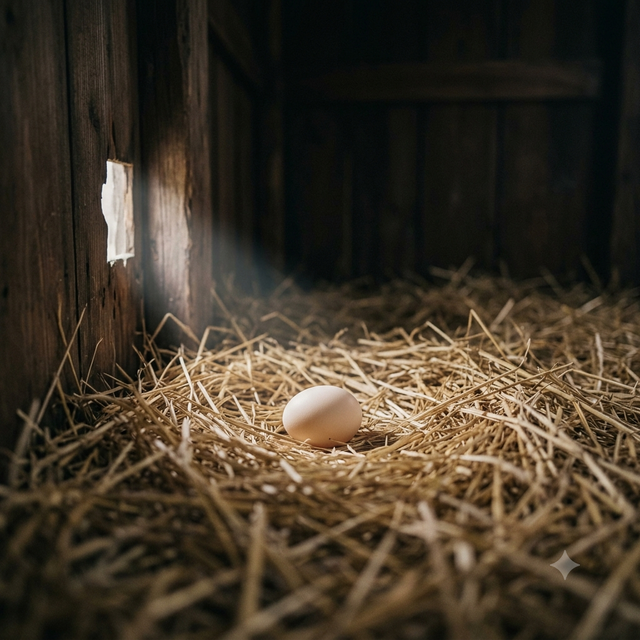
The final micro-season marks when hens historically began to lay their first eggs of the year. In pre-modern Japan, hens only produced eggs from spring to early summer, making eggs a treasured seasonal delicacy. This gentle turning point signals the end of winter's silence and the quiet approach of a new cycle.


