色という物語
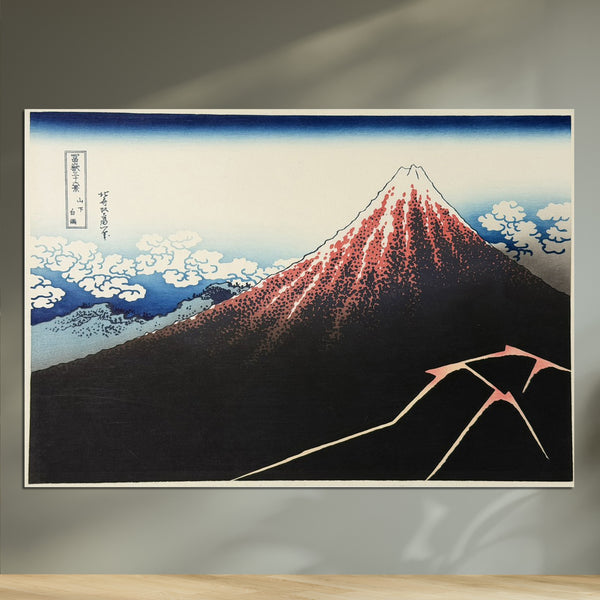
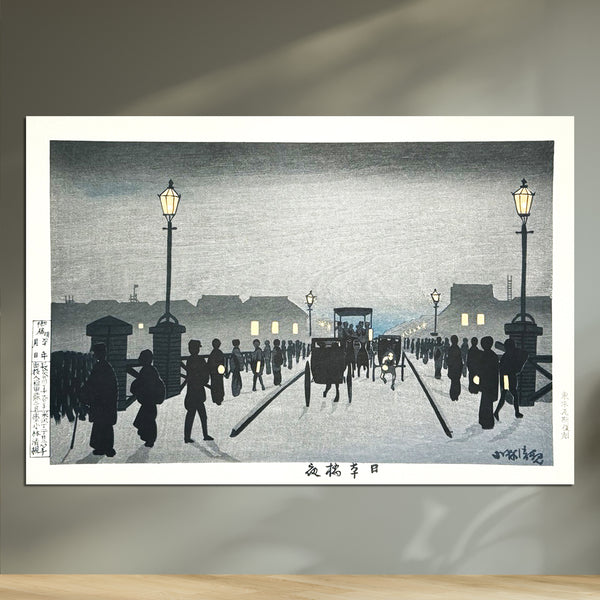
木版画の色は、一度きりで完成することはありません。忍耐強く、幾層にも重ねられ——じっくりと向き合って初めて汲み取れるほどの奥行きを、その表面に宿します。
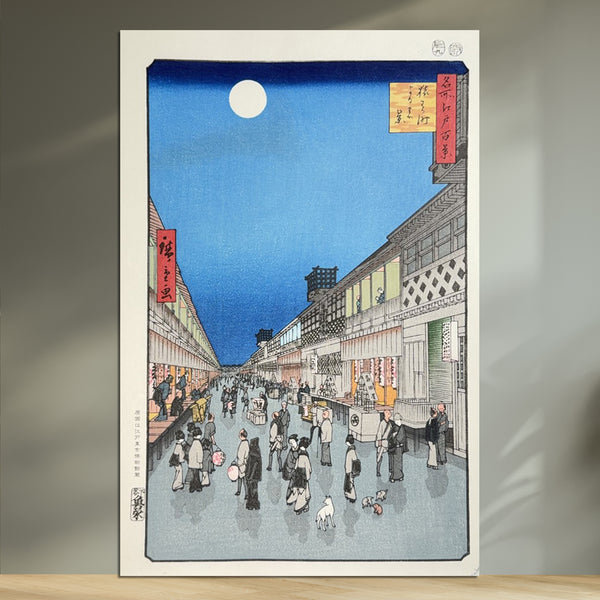
MOK Arts は、この歴史的な視点を通して一枚一枚と向き合っています。どの色が選ばれたかだけでなく、なぜその色が選ばれたのかを。武家が信頼した藍色。あるいは、派手な染色を禁じられた江戸の町人たちが磨き上げた、繊細な鼠色の数々。ひとつひとつの顔料には静かな歴史が宿り、一枚を摺るごとに、その歴史が姿を現します。
Japan's unnamed colours
日本において、色は見るものである以前に、名づけるものでした。一瞬の光の色もあれば、季節が少しずつ移ろいゆく、その繊細な変化を捉えた色もあります。ここに選ばれた十の伝統色は、それぞれがその色をまとう作品へとつながっています。
A pure white, like silk threads washed to remove their natural yellowish tint. Used in sacred rituals and noble garments, it highlights the inherent beauty of natural materials.
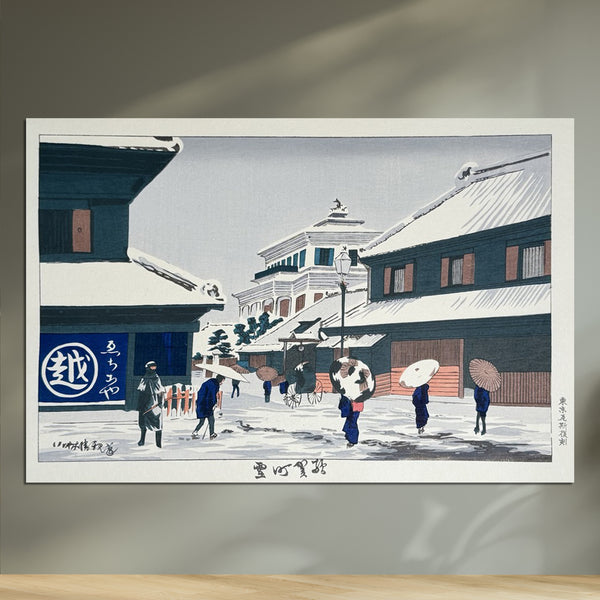
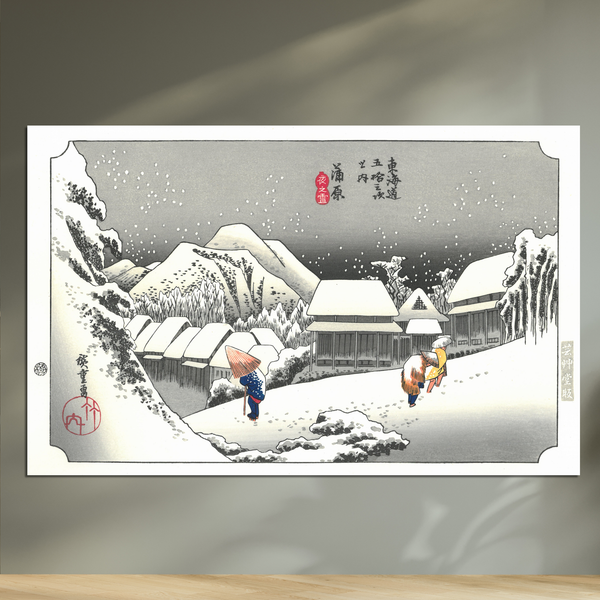
A soft, pale yellow like a full moon floating in the night sky. Reminiscent of quiet moonlight, it possesses a calming gentleness.
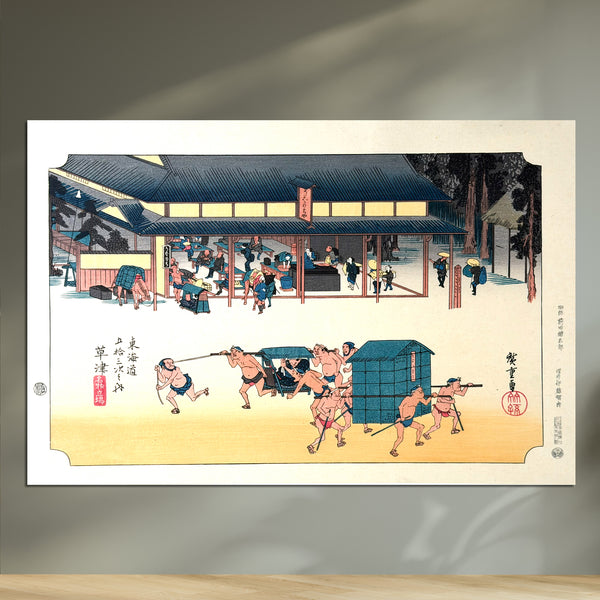
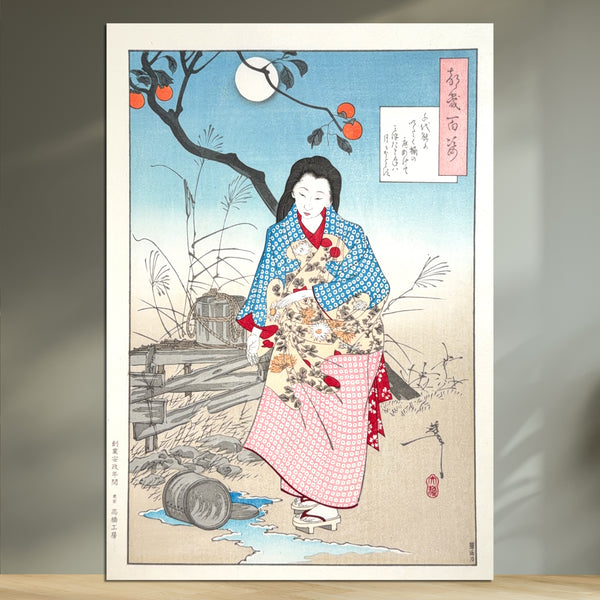
A rich, powerful yellow like shining gold. Often compared to the color of ripe rice ears, it has been cherished as a symbol of abundance and prosperity.
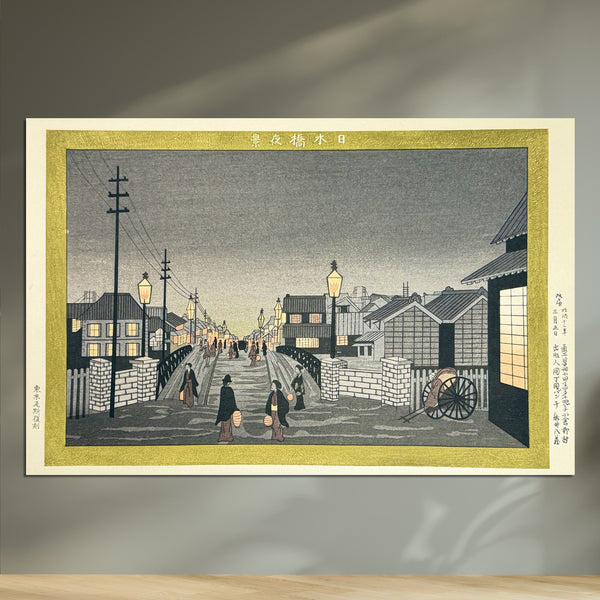
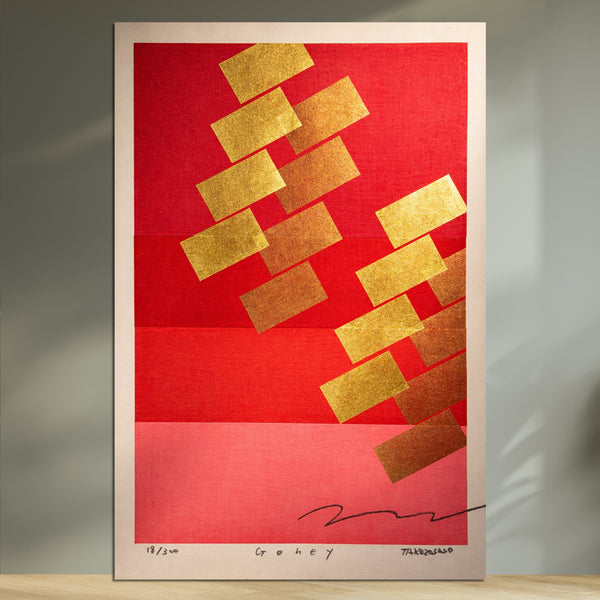
A very bright, vibrant red with a slight yellow tint. Popularized alongside modern printing techniques, it possesses a modern strength that instantly catches the eye.

A remarkably rich and vibrant red. Traditionally dyed using madder and ash, it carries a subtle hint of yellow. During the Nara period, it was a color of high prestige—second only to purple—and was strictly reserved for the nobility.
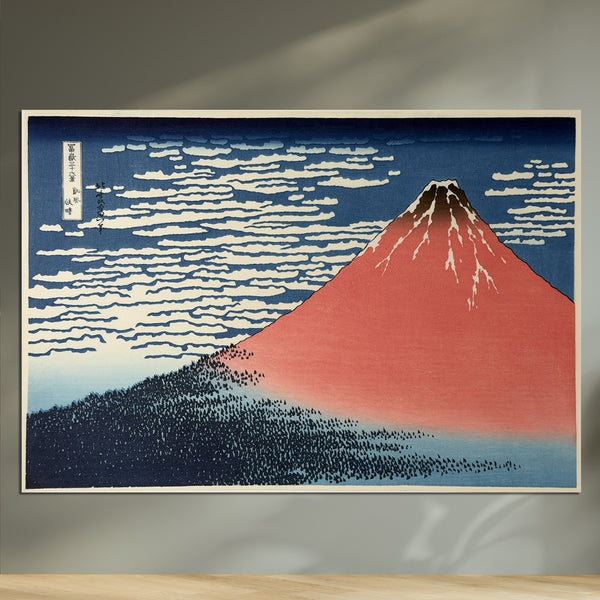
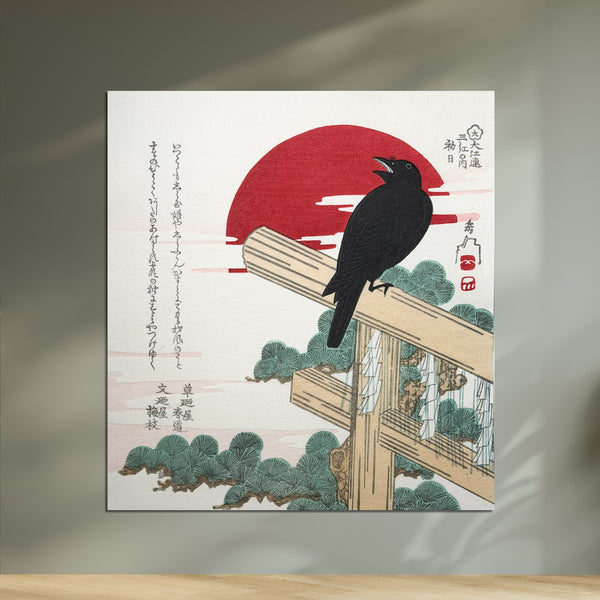
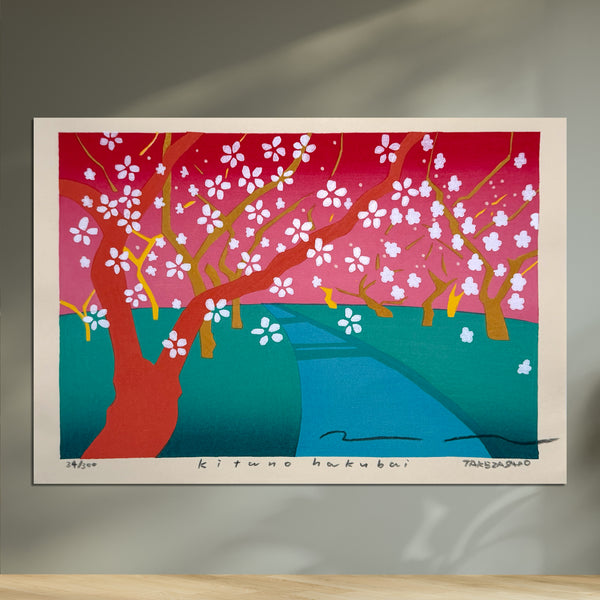
A very pale purplish-pink, resembling the petals of blooming cherry blossoms. As the quintessential color of Japanese spring, it captures both fleeting beauty and grace.
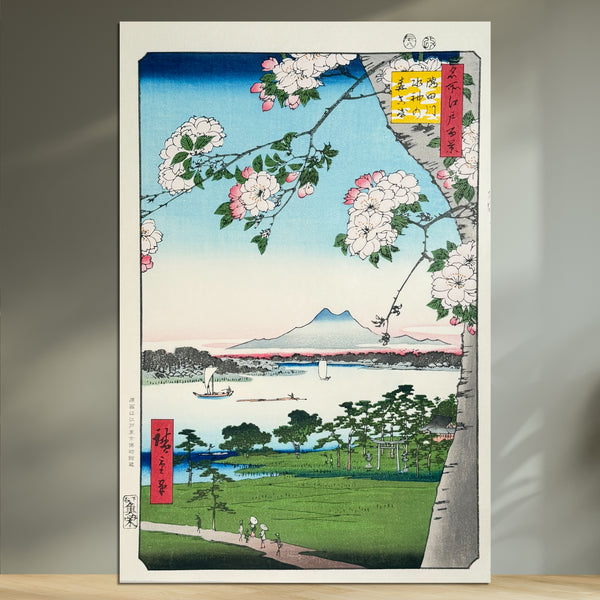
A sophisticated greyish-green, blending matcha green with subtle grey. Named after the tea master Sen no Rikyū, it became immensely popular as a chic color during the Edo period, embodying the aesthetics of the tea ceremony.
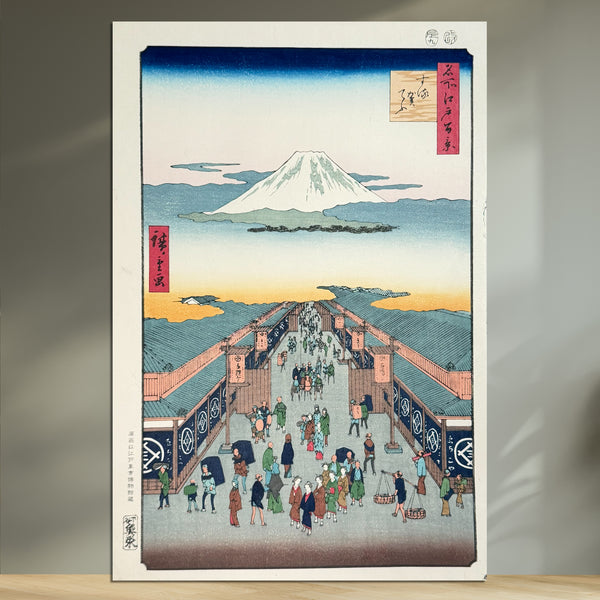
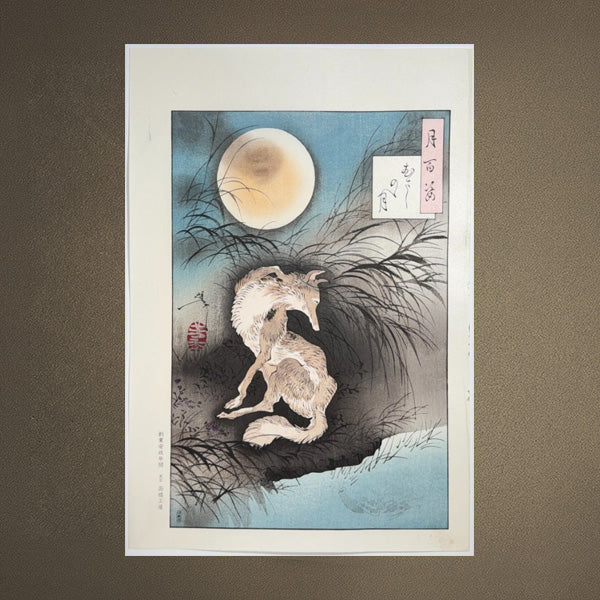
A vibrant yellow-green, like young leaves sprouting in spring. Symbolizing vitality and youth, it was a favored color for the garments of young nobles in the Heian period.
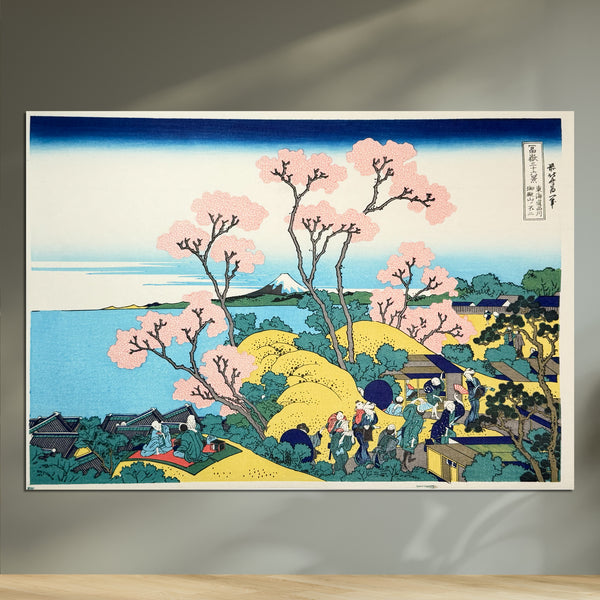
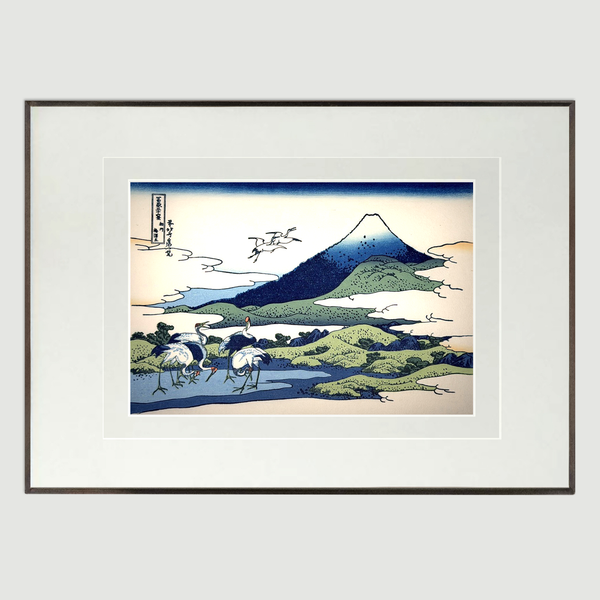
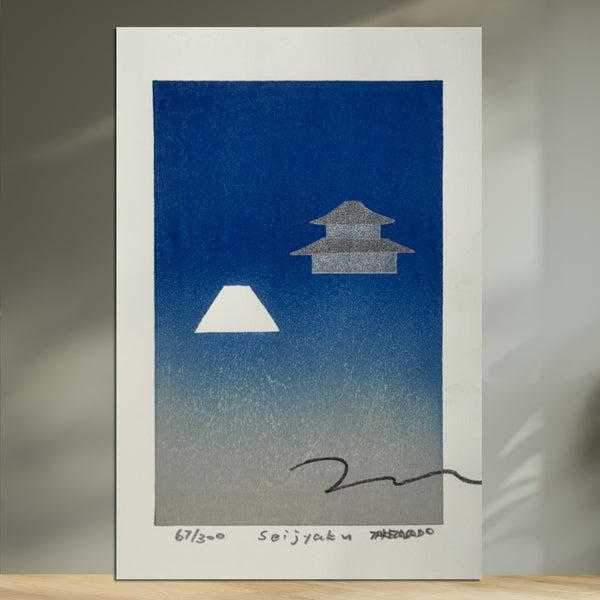
A dark, purplish-blue that adds depth to lapis lazuli. It became a popular color for kimono during the Edo period. It is a refined shade where tranquility and strength coexist.
A deep, calming black inspired by traditional calligraphy ink. It carries a faint grayish hue, offering a softer impression than pure black. Historically, it was favored for the daily wear of monks and literati.